What Makes Engineered Wood Fiber Different
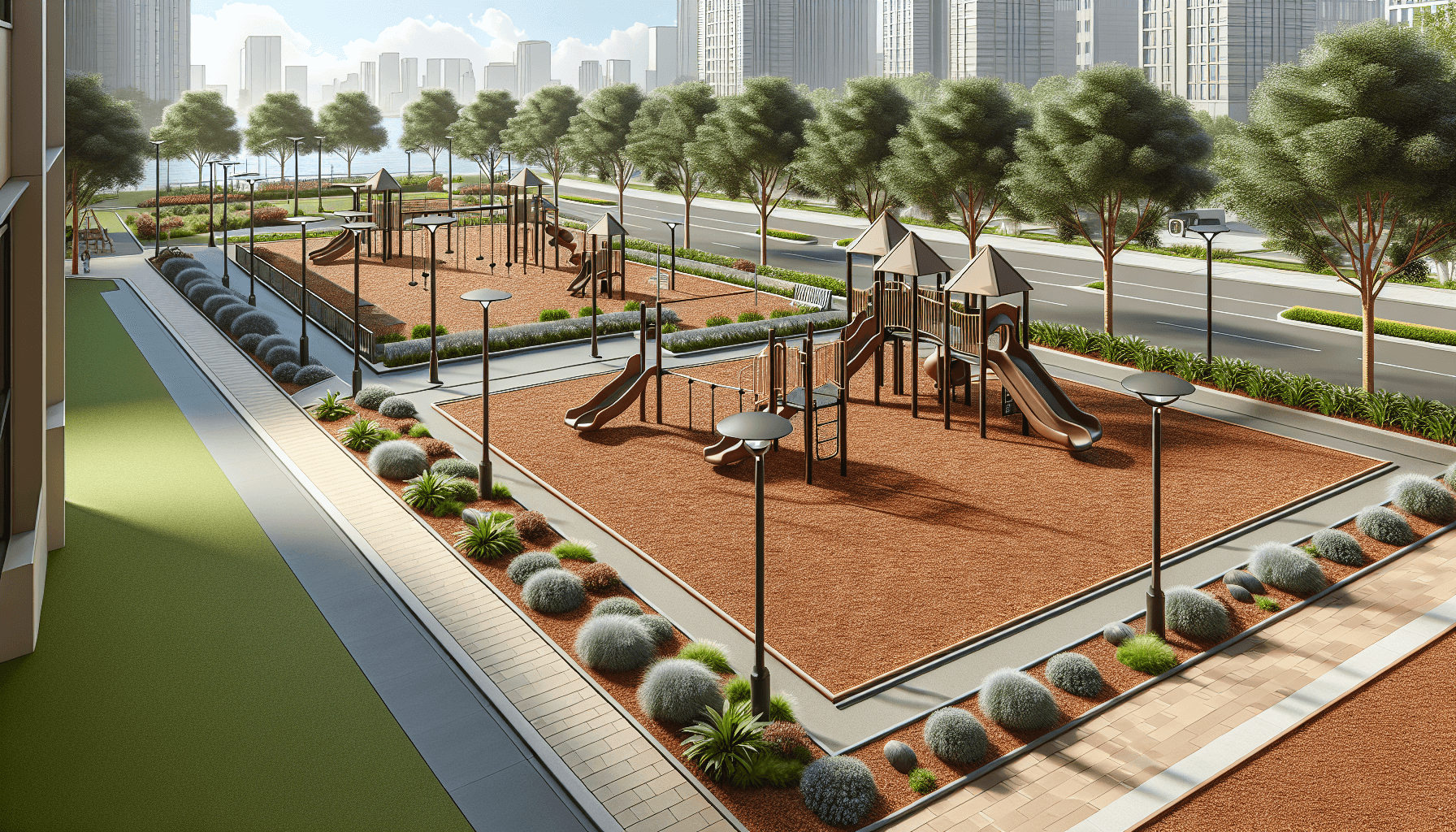
Engineered wood fiber represents a significant advancement in playground surfacing technology. Unlike traditional wood chips or shredded bark, engineered wood fiber playground mulch undergoes a controlled manufacturing process that creates consistent particle sizes and removes potentially harmful materials. This manufacturing process produces fibers that interlock naturally, creating a stable surface that maintains its protective qualities over time.
The engineering process begins with carefully selected wood sources, typically hardwoods that provide durability and longevity. These materials are processed through specialized equipment that creates fibers of specific dimensions, typically measuring between 0.5 and 2 inches in length. The consistent sizing allows the fibers to compact and bind together naturally, forming a resilient surface that absorbs impact energy effectively.
Safety Standards and Performance Requirements
ASTM F1292 and F2075 establish the performance standards that govern playground surfacing materials, including engineered wood fiber. These standards require surfaces to provide adequate impact attenuation for specific fall heights, measured through standardized drop tests using weighted headforms that simulate potential injuries.
Engineered wood fiber consistently meets these requirements when properly installed and maintained at appropriate depths. For equipment with fall heights up to 12 feet, the standard installation depth ranges from 9 to 12 inches, depending on the specific product and manufacturer specifications. This depth requirement directly influences playground mulch installation cost, as deeper installations require more material and careful grading to ensure uniform coverage.
IPEMA certification provides additional assurance for facility managers selecting surfacing materials. IPEMA-certified engineered wood fiber products have undergone independent testing to verify compliance with safety standards, reducing liability concerns for schools, daycares, and public facilities.
Benefits for Schools and Daycare Facilities
Playground surfacing for daycares requires special consideration due to the younger age groups typically served and the increased supervision requirements. Engineered wood fiber addresses several key concerns that daycare directors and school administrators face when evaluating surfacing options.
The natural appearance and texture of engineered wood fiber blend seamlessly with outdoor environments while providing the safety performance required for active play areas. Unlike synthetic alternatives, wood fiber surfaces remain cooler in direct sunlight, reducing the risk of contact burns during summer months when playground usage peaks.
Maintenance requirements for engineered wood fiber are generally straightforward, though they require consistent attention to maintain safety compliance. Regular depth checks ensure adequate impact protection, while periodic raking helps redistribute settled materials and maintain surface integrity. Weather events, particularly heavy rains or strong winds, can affect surface conditions and may require prompt attention to restore proper depth and coverage.
Installation Considerations and Cost Factors
Playground mulch installation cost varies based on several factors, including site preparation requirements, accessibility, and the total square footage of play areas. Engineered wood fiber installation requires careful attention to base preparation, proper drainage, and containment systems to prevent material migration.
Site preparation typically involves excavating existing surfaces, establishing proper grades for drainage, and installing edging systems to contain the surfacing material. These preparatory steps represent a significant portion of total project costs but are essential for long-term performance and safety compliance.
The volume of material required depends on both the surface area and the required depth for specific fall heights. Calculating material needs accurately prevents both over-ordering, which increases costs unnecessarily, and under-ordering, which can delay project completion and compromise safety requirements.
Accessibility factors also influence installation costs. Sites with limited vehicle access may require additional labor for material placement, while projects requiring crane access or other specialized equipment will reflect these needs in pricing.
Long-Term Performance and Maintenance Planning
Engineered wood fiber surfaces require ongoing maintenance to preserve their safety characteristics and appearance. Understanding these maintenance requirements helps administrators budget appropriately and maintain compliance with safety standards throughout the surface's useful life.
Depth monitoring represents the most critical maintenance activity. Impact protection diminishes as surface depth decreases due to compaction, decomposition, and displacement. Regular measurements using depth probes or similar tools help identify areas requiring additional material before safety compliance is compromised.
Seasonal factors affect maintenance schedules and requirements. Spring assessments typically reveal winter damage from freeze-thaw cycles, while fall maintenance often focuses on removing accumulated leaves and debris that can accelerate decomposition or create slip hazards.
Decomposition is a natural characteristic of organic surfacing materials, including engineered wood fiber. While the engineering process slows this decomposition compared to traditional wood products, gradual breakdown does occur and necessitates periodic material replenishment to maintain proper depths and performance characteristics.
Making Informed Decisions About Surfacing Projects
Selecting engineered wood fiber for playground applications requires balancing safety performance, maintenance requirements, and budget considerations. The initial investment in quality surfacing materials and proper installation typically provides better long-term value than lower-cost alternatives that may require more frequent replacement or extensive maintenance.
Working with experienced providers who understand both safety requirements and installation best practices helps ensure projects meet compliance standards while managing costs effectively. Proper project planning, including accurate material calculations and realistic installation timelines, prevents common issues that can increase costs or delay playground openings.
GetMulch.com manages engineered wood fiber installation projects nationwide through our network of pre-vetted local partners, handling everything from initial planning and pricing through project completion. Our platform provides real-time pricing for both installation and bulk delivery services, ensuring facility managers have the information needed to make informed decisions about playground surfacing investments while maintaining a single point of accountability throughout the project lifecycle.