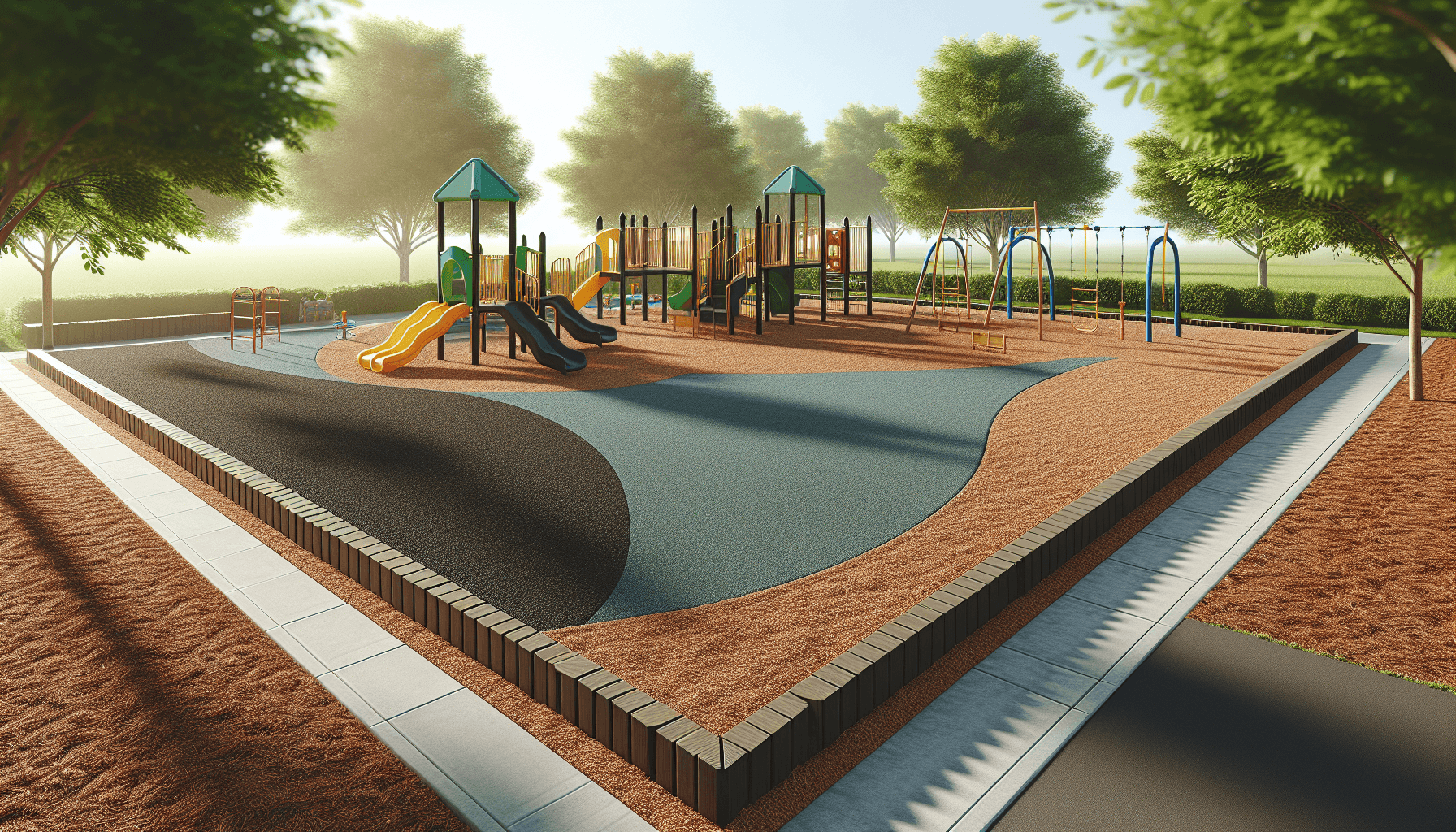
Why Filter Fabric Matters in Playground Construction
When planning a new playground installation, facility managers and playground builders often focus on equipment selection and surface materials. However, one critical component that significantly impacts long-term performance remains less visible: filter fabric installed beneath the mulch surface. This synthetic barrier provides multiple benefits that affect maintenance costs, safety compliance, and overall playground longevity.
Filter fabric, also known as landscape fabric or geotextile, serves as a permeable barrier between the ground and playground mulch surface. Unlike solid barriers, this material allows water to drain through while preventing weeds from establishing roots in the play zone. For facilities managing multiple playgrounds or large play areas, this foundation layer becomes essential for maintaining ASTM F1487 compliance over time.
Enhanced Weed Suppression Reduces Maintenance Costs
Weeds growing through playground mulch create both safety hazards and maintenance challenges. Root systems can destabilize the mulch layer, creating uneven surfaces that affect critical fall height measurements. Additionally, weed growth often leads to increased maintenance frequency as facility teams work to remove vegetation manually.
Filter fabric installation during initial construction prevents most weed establishment from below the surface. This proactive approach reduces the need for chemical treatments in play areas, which many school districts and daycare facilities prefer to avoid. When sourcing bulk playground mulch for schools, understanding the relationship between proper ground preparation and long-term maintenance helps facility managers make informed decisions about upfront investments versus ongoing costs.
The weed suppression benefits become particularly valuable for larger installations where manual maintenance becomes time-intensive. Public works departments managing multiple playground sites often find that facilities with proper filter fabric require significantly fewer maintenance interventions throughout the year.
Improved Drainage Performance
Proper drainage prevents water accumulation that can lead to compaction, mold growth, and premature mulch breakdown. Filter fabric facilitates water movement through the surface while preventing fine soil particles from migrating upward into the mulch layer. This separation maintains the engineered properties of the mulch surface over longer periods.
Playgrounds in areas with heavy rainfall or clay soil conditions particularly benefit from the drainage enhancement that filter fabric provides. Without this barrier, soil particles can mix with mulch during wet conditions, reducing the material's shock-absorbing properties and creating maintenance challenges.
Facility managers evaluating playground mulch pricing should consider how proper drainage affects replacement frequency. Installations with good drainage typically maintain their safety properties longer, extending the time between major re-mulching projects.
Installation Considerations and Best Practices
Proper filter fabric installation requires attention to several key factors. The fabric must be installed on properly graded surfaces with adequate overlap at seams to prevent weed breakthrough. Edges should extend beyond the play zone boundaries and be properly secured to prevent shifting during mulch installation.
The fabric weight and permeability specifications matter for long-term performance. Heavier fabrics provide better durability but may affect drainage if not properly selected for local soil conditions. Professional installation ensures proper overlap, secure edges, and appropriate fabric selection for specific site conditions.
When working with playground mulch suppliers near me, facility managers should verify that installation teams understand proper fabric installation procedures. Improper installation can negate many of the benefits and create long-term maintenance issues.
Cost-Benefit Analysis for Different Facility Types
School districts managing multiple playgrounds often find that filter fabric installation provides measurable returns through reduced maintenance costs. The upfront investment typically pays for itself within two to three years through decreased labor requirements and extended mulch life.
Daycare facilities with smaller play areas may see different cost benefits, but the reduced need for chemical weed treatments and improved safety compliance often justify the investment. For these facilities, the ability to maintain clean, safe play surfaces with minimal intervention becomes particularly valuable.
Public works departments evaluating large-scale playground maintenance programs frequently include filter fabric as a standard specification due to the operational efficiencies it provides across multiple sites.
Integration with Mulch Installation Programs
Filter fabric works best when integrated into comprehensive mulch installation programs that address ground preparation, proper installation techniques, and ongoing maintenance schedules. The fabric provides maximum benefit when installed with appropriate mulch depths and proper edge management.
Facility managers planning new installations should consider filter fabric as part of the total project scope rather than an optional add-on. This approach ensures proper coordination between ground preparation, fabric installation, and mulch placement.
Long-Term Performance and Maintenance
Well-installed filter fabric can provide benefits for many years with minimal direct maintenance. However, facility teams should monitor edge areas where fabric may become exposed and address any areas where weed growth indicates fabric damage or inadequate installation.
Regular mulch depth monitoring becomes easier with filter fabric in place, as the barrier provides a clear reference point for measuring surface depth. This consistency helps facility managers maintain ASTM compliance more effectively over time.
Filter fabric installation represents a proactive approach to playground maintenance that addresses multiple challenges simultaneously. For facility managers evaluating new playground construction or major renovation projects, understanding these benefits helps inform decisions about upfront investments versus ongoing operational costs.
GetMulch.com integrates filter fabric installation into comprehensive playground mulch projects, managing the full process from ground preparation through final mulch placement. The platform coordinates with local installation partners to ensure proper fabric selection and installation techniques while maintaining single-point accountability for project completion.