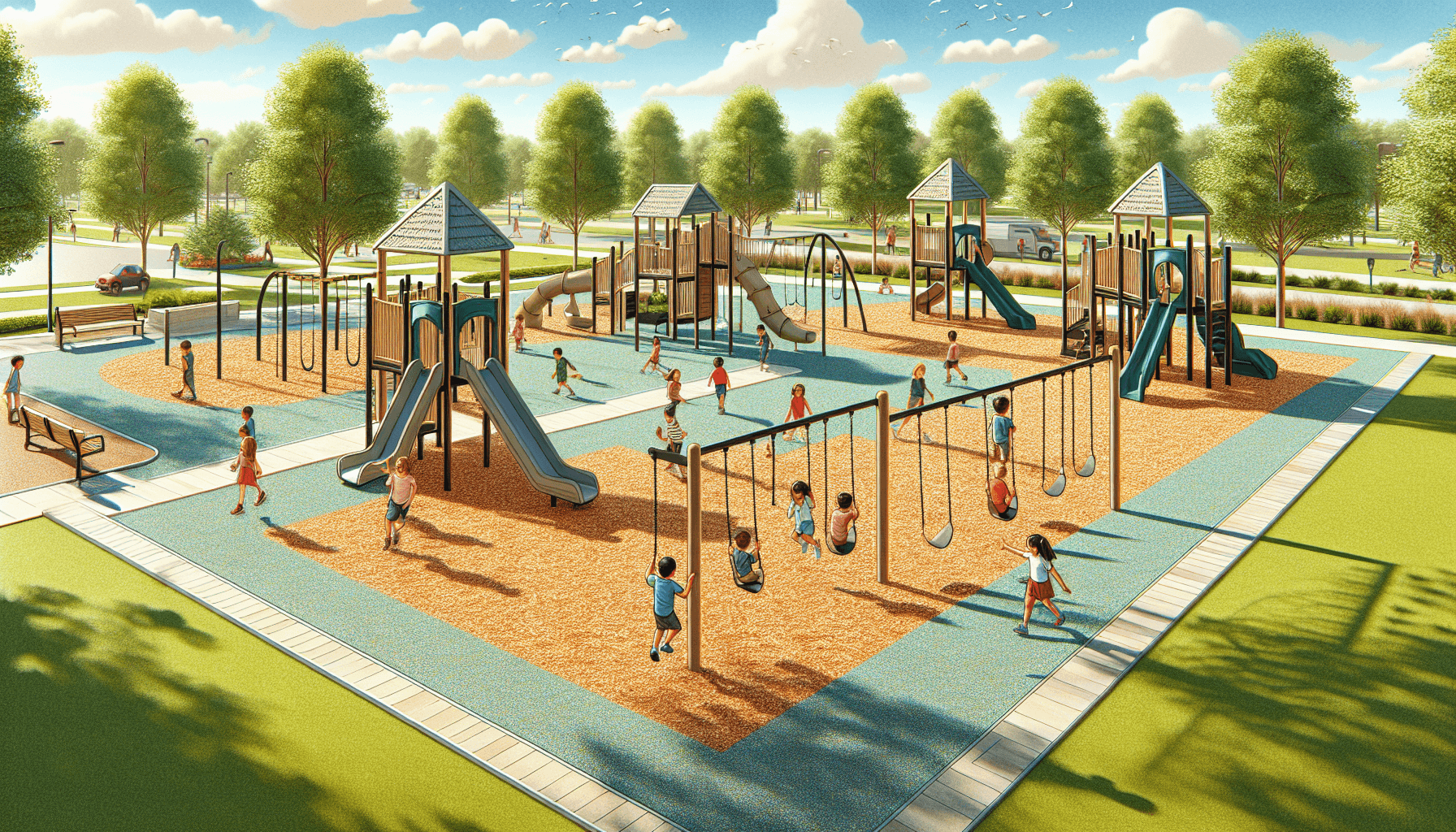
Why Filter Fabric Makes a Difference in Playground Installations
When planning a new playground installation, many facility managers focus on the visible elements: equipment selection, mulch depth, and fall zone compliance. However, one of the most impactful decisions happens at ground level, before the first load of mulch arrives. Filter fabric, also known as landscape fabric or geotextile, serves as the foundation that determines how well your playground surface performs over time.
Filter fabric acts as a barrier between the existing soil and your engineered wood fiber or mulch surface. This separation creates multiple benefits that become apparent within the first growing season and continue to provide value throughout the playground's lifecycle. Unlike residential landscaping applications, playground installations face unique challenges including heavy foot traffic, safety compliance requirements, and the need for consistent surface depth across large areas.
Weed Control That Actually Works
The primary benefit most facility managers recognize is weed suppression. Without filter fabric, grass and weeds inevitably push through mulch surfaces, creating uneven areas that compromise both safety and appearance. Playground environments present ideal growing conditions for unwanted vegetation, with irrigation systems, fertilizer runoff from adjacent areas, and disturbed soil providing nutrients and moisture.
When weeds establish themselves within the mulch layer, removal becomes complicated. Simply pulling weeds disrupts the engineered wood fiber, creating low spots that require additional material to maintain proper fall protection depths. More problematic, established root systems continue growing beneath the surface, making recurring weed problems almost inevitable without fabric protection.
Filter fabric prevents this cycle by blocking light penetration and creating a physical barrier that most weeds cannot penetrate. The result is a cleaner, more uniform surface that maintains its intended depth and coverage patterns throughout the growing season.
Drainage and Soil Separation Benefits
Beyond weed control, filter fabric provides crucial drainage improvements that extend mulch life and maintain surface quality. The fabric allows water to pass through while preventing soil migration upward into the mulch layer. This separation is particularly important in areas with clay soils or locations prone to standing water after rainfall.
When soil mixes with engineered wood fiber, the resulting combination breaks down faster and requires more frequent replacement. The organic matter in soil accelerates decomposition, while fine soil particles fill the air spaces that give mulch its shock-absorbing properties. Filter fabric maintains the distinct separation between soil and surface material, preserving the engineered characteristics that make wood fiber effective for fall protection.
In regions with freeze-thaw cycles, this separation becomes even more critical. Soil moisture that migrates into mulch layers can create ice formations that push surface material upward, causing uneven surfaces that require spring maintenance to address.
Long-Term Cost Considerations
The upfront investment in filter fabric typically represents a small percentage of total installation costs, but the long-term savings can be substantial. Playgrounds installed without fabric generally require more frequent top-up applications to maintain proper depth, as weed growth and soil mixing reduce surface volume over time.
Maintenance crews spend less time on weed removal and surface leveling when fabric is properly installed during the initial project. This labor savings becomes particularly valuable for school districts and municipalities managing multiple playground locations, where maintenance efficiency directly impacts operational budgets.
Facility managers often find that playgrounds with filter fabric maintain their appearance longer, reducing the pressure for complete surface replacement. The extended service life means longer intervals between major mulch installations, allowing maintenance budgets to cover more locations effectively.
Installation Best Practices
Proper filter fabric installation requires attention to several technical details that impact long-term performance. The fabric must be installed on properly graded surfaces, with appropriate overlap at seams and secure anchoring around play equipment and borders. Inadequate surface preparation or improper installation can create drainage problems or allow fabric movement that reduces effectiveness.
Professional installation teams understand the importance of fabric selection for playground applications. Not all landscape fabrics perform equally in high-traffic environments, and choosing inappropriate materials can lead to premature failure or drainage issues. The fabric weight, permeability rating, and UV resistance must match the specific demands of playground installations.
When you buy playground mulch online through integrated platforms, the installation planning typically includes fabric specifications appropriate for your location and soil conditions. This coordination ensures that fabric selection aligns with surface material choices and local environmental factors.
Finding the Right Installation Partner
Working with experienced playground mulch suppliers near me who understand fabric installation requirements makes a significant difference in project outcomes. Professional installation teams coordinate fabric placement with mulch delivery to ensure proper sequencing and avoid delays that can impact project timelines.
The key is finding affordable playground mulch solutions that include comprehensive installation planning, not just material delivery. Filter fabric represents a perfect example of how upfront planning and proper installation techniques create long-term value that far exceeds the initial investment.
GetMulch.com manages fabric installation as part of comprehensive playground surfacing projects, coordinating with pre-vetted local partners who understand the technical requirements for lasting installations. This approach ensures that fabric selection, installation techniques, and mulch placement work together to create surfaces that perform reliably over time while maintaining safety compliance throughout their service life.