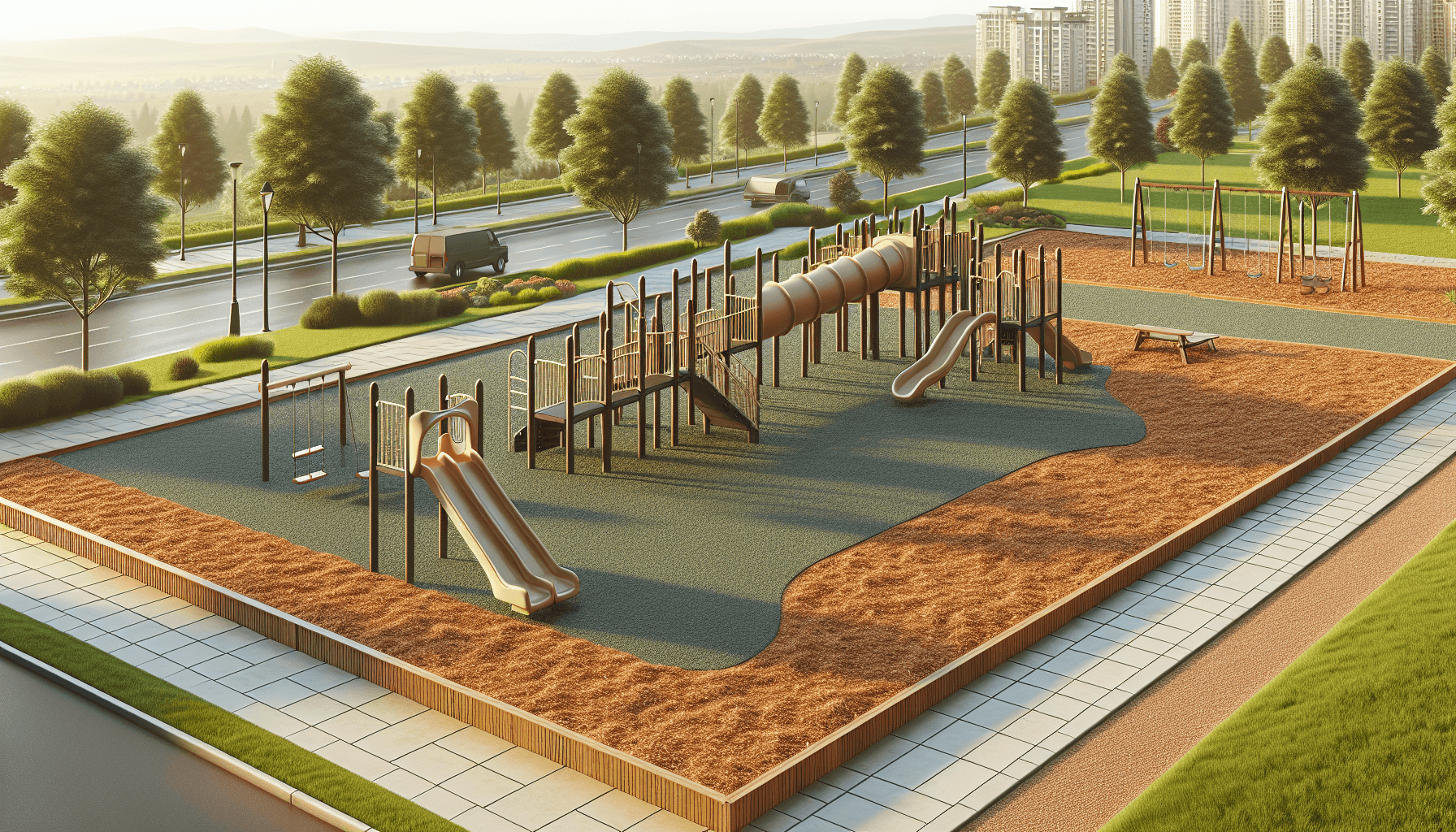
The Hidden Costs of Playground Mulch Waste
Playground surfacing projects often generate more waste than facility managers anticipate. Poor planning, inaccurate measurements, and suboptimal installation practices can result in significant material overages that strain budgets and create unnecessary environmental impact. Understanding how to minimize waste during playground mulch installation protects both your bottom line and sustainability goals.
Waste reduction begins before the first truck arrives on site. The most effective approach combines precise measurement techniques, strategic material selection, and coordinated delivery scheduling. When these elements work together, facilities typically reduce material waste by 15-20% compared to traditional installation approaches.
Accurate Site Assessment Prevents Overordering
The foundation of waste reduction lies in thorough site preparation and measurement. Many installations suffer from material overages because initial assessments underestimate existing conditions or fail to account for drainage requirements. Professional site evaluation identifies areas where existing materials can remain in place, reducing the total volume of new engineered wood fiber playground mulch required.
Slope analysis plays a crucial role in material calculations. Areas with significant grade changes require deeper mulch application in some zones and less in others. Rather than ordering uniform depth across the entire play area, strategic planning adjusts material distribution based on natural contours and safety requirements. This approach typically reduces total material needs while maintaining ASTM F1292 compliance for impact attenuation.
Existing landscape features also influence material requirements. Trees, equipment foundations, and drainage structures affect installation patterns. Detailed site mapping identifies these obstacles early, allowing for precise material calculations that account for areas where mulch cannot be placed.
Strategic Material Selection Reduces Long-Term Waste
Certified playground safety mulch offers superior durability compared to standard wood products, directly impacting long-term waste generation. Higher-quality engineered wood fiber resists decomposition and displacement more effectively than basic mulch products. While initial costs may be higher, the extended lifespan reduces the frequency of complete surface replacement.
Particle size consistency in certified materials also contributes to waste reduction. Uniform engineered wood fiber settles more predictably during installation, reducing the need for additional material to achieve target depths. Standard mulch products often contain inconsistent particle sizes that create settling variations and require supplemental applications.
Moisture content in delivered materials significantly affects installation efficiency. Properly conditioned engineered wood fiber spreads more evenly and requires less manipulation during placement. Overly dry materials create dust and uneven distribution, while excess moisture leads to compaction issues that necessitate additional material to maintain proper depth.
Coordinated Delivery Timing Optimizes Material Usage
Playground mulch delivery and install coordination prevents material degradation that leads to waste. Materials delivered too early may be exposed to weather conditions that affect quality and usability. Rain-soaked mulch becomes compacted and difficult to spread evenly, while extended sun exposure can dry materials excessively.
Sequenced delivery for large projects ensures materials remain fresh throughout the installation process. Rather than delivering the entire project volume at once, staged deliveries provide installers with optimal material conditions from start to finish. This approach particularly benefits multi-phase projects where installation occurs over several weeks.
Seasonal timing also influences material efficiency. Spring and fall installations typically experience fewer weather-related delays that can compromise material quality. Summer installations may require additional moisture management, while winter projects in certain regions face challenges with frozen ground conditions that complicate placement.
Installation Techniques That Minimize Material Loss
Proper installation methodology significantly impacts material utilization rates. Professional installation teams employ techniques that maximize coverage while maintaining consistent depth throughout play zones. Systematic spreading patterns ensure even distribution without creating thin spots that require additional material.
Boundary management during installation prevents material migration beyond intended areas. Temporary barriers or careful attention to existing landscape edges keeps engineered wood fiber within designated zones. This control reduces the need for cleanup applications and prevents material loss to adjacent areas.
Compaction awareness during placement preserves material volume and performance characteristics. Over-compaction reduces the effective coverage area of delivered materials while potentially compromising impact attenuation properties. Skilled installers maintain appropriate material density that optimizes both safety performance and coverage efficiency.
Quality Control Measures Reduce Rework Requirements
Systematic quality verification during installation identifies issues before they require material-intensive corrections. Regular depth measurements ensure consistent coverage without excessive application in some areas to compensate for inadequate depth elsewhere. This monitoring prevents the common pattern of applying additional material to address uneven initial installation.
Drainage verification during placement prevents future problems that could necessitate surface removal and reinstallation. Proper water management protects the installed surface and reduces long-term maintenance requirements that consume additional materials.
Compliance testing with ASTM standards during installation confirms that safety requirements are met with optimal material usage. Rather than over-applying mulch to ensure compliance, systematic testing identifies the minimum depth required to meet impact attenuation standards.
Long-Term Maintenance Planning Extends Material Life
Waste reduction extends beyond initial installation through strategic maintenance planning. Regular inspection schedules identify areas requiring attention before minor issues become major problems requiring extensive material replacement. Proactive maintenance preserves the existing surface investment and reduces overall material consumption.
Targeted refresh applications address specific wear patterns without complete surface replacement. High-traffic areas around swing sets and slide exits typically require more frequent attention, but strategic spot treatments maintain overall surface integrity while minimizing material usage.
Seasonal maintenance timing optimizes material performance and longevity. Fall applications prepare surfaces for winter weather challenges, while spring maintenance addresses any displacement or settling that occurred during dormant months.
Technology-Enabled Precision Reduces Waste
Modern playground surfacing projects benefit from technology solutions that improve material efficiency throughout the project lifecycle. Digital measurement tools provide more accurate site assessments, reducing the guesswork that often leads to material overages. GPS-enabled equipment ensures precise placement and consistent coverage patterns.
Real-time project management systems coordinate delivery timing with installation schedules, preventing material degradation that occurs when products sit unused on site. Integrated logistics management ensures materials arrive in optimal condition when installers are ready to begin work.
GetMulch.com operates as the single point of accountability for playground mulch delivery and install projects, managing material calculations, delivery coordination, and installation oversight through our managed network of pre-vetted local partners. This comprehensive approach reduces waste through systematic planning, quality material selection, and professional installation practices that optimize both safety compliance and resource efficiency.