Urban Sites Don't Play Fair
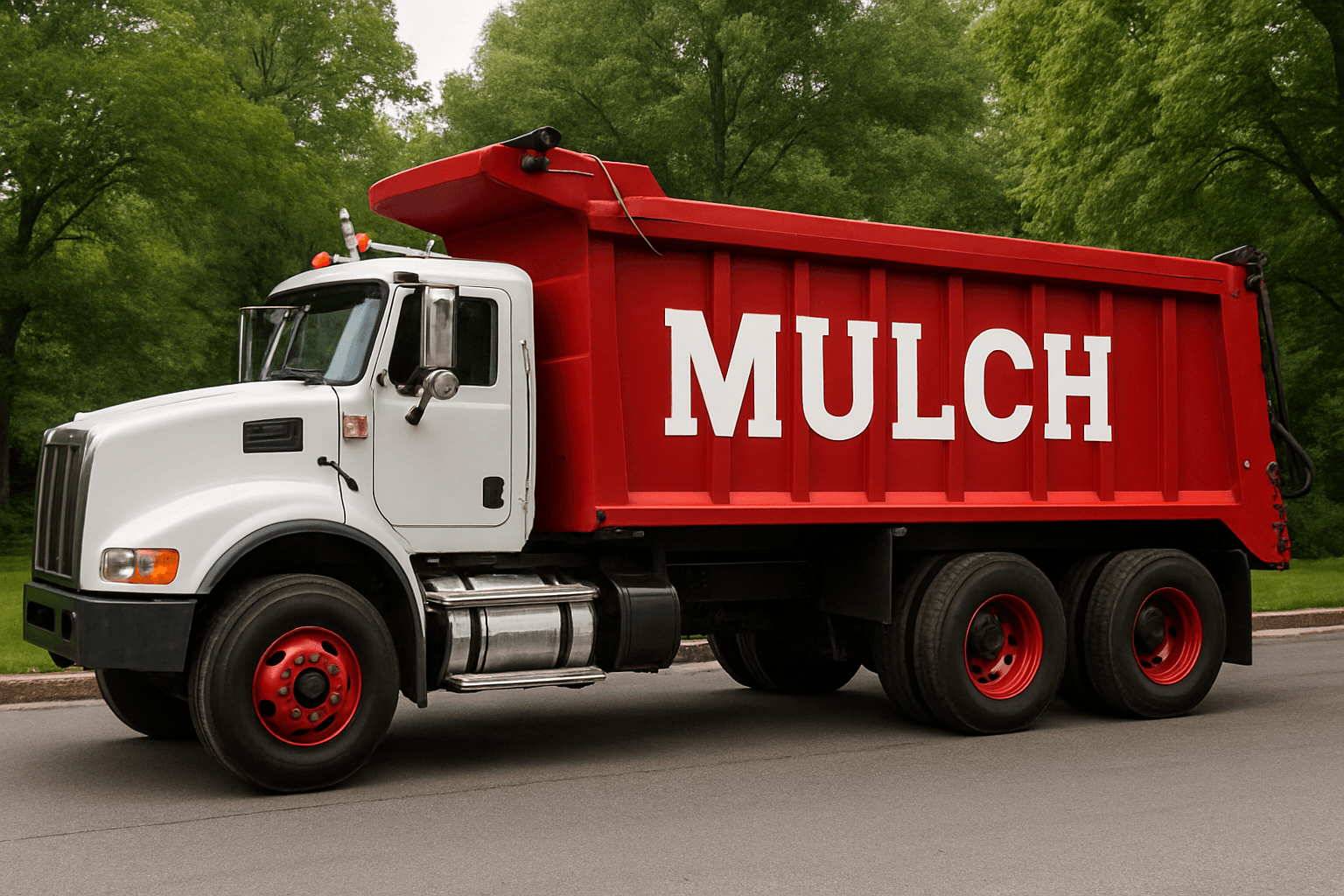
You've done tight jobs before. But urban playground installations are their own category of difficult. Your mulch truck is 40 feet long. The street is 22 feet wide. There's a school two blocks over that starts in 90 minutes, and the building super just told you the freight gate doesn't open until 8 AM.
This is the urban job site experience. And if you don't plan for it, it'll eat your morning.
Mulch delivery in the city isn't just a logistics problem. It's a scheduling problem, a coordination problem, and sometimes a permit problem. Get ahead of all three before the truck rolls and you'll stay on schedule. Show up without a plan and you're paying for a truck sitting idle on a city block while you figure it out.
Here's what actually works.
Walk the Site Before You Book the Delivery
Don't confirm a delivery window until you've walked the site. Spend 20 minutes there and check:
- Gate width (can a blower truck or end dump get through, or do you need a flex setup?)
- Overhead clearances (tree branches, power lines, awnings over the service entrance)
- Nearby parking restrictions (street cleaning schedules, loading zone hours, permit-only blocks)
- Surface load tolerance (can a loaded truck sit on the sidewalk curb cut, or does it need to stage on the street?)
- Distance from drop point to play surface (how far is your crew moving material after the truck leaves?)
That walk-through takes less time than one call with an unhappy property manager. Do it every time.
Lock In the Window and Give Your Supplier the Full Picture
Don't leave the delivery window vague. Book a specific time, confirm it 48 hours out, and give your supplier everything they need to show up right:
- Exact address and access point (GPS doesn't always find the service entrance)
- Time restrictions, including school traffic windows, street cleaning, and noise ordinances
- Truck type you need (blower, conveyor, or end dump)
- Weight limits on the adjacent street or service road
- Whether there's a security code, a contact person, or a gate that needs unlocking
If your supplier doesn't confirm those details back to you, pick up the phone. Misaligned expectations on urban sites cost real money, and you're the one who eats it.
Early morning delivery usually wins. Before 7:30 AM you beat the foot traffic, the double-parking, and the noise complaints. Check whether your time restrictions apply to delivery vehicles separately from crew vehicles. They often do.
Match the Equipment to the Access
Not every truck fits every site. Know what you're working with before the driver shows up.
Blower truck: Best option when you can't get a larger truck through the gate and there's a clear run to the play surface. A blower can reach 150 feet or more through gates, around corners, and into spaces where a dump truck won't go. Setup takes longer, but it's the right call on truly confined sites.
End dump or live bottom: Faster to unload, but needs room to back in and swing the bed. If your access is a 10-foot alley with a 90-degree turn, this isn't your truck.
Conveyor truck: A solid middle option. Extends reach without the full footprint of a blower rig. Works well when you've got a narrow entry but open space once you're inside the gate.
Specify the equipment you need when you book. Don't assume the supplier will send the right setup unless you've asked for it by name.
Stage Before the Truck Arrives
When the truck can't park directly at the pour point, lock in a staging plan before anyone shows up on site.
That means:
- Identifying the closest legal staging area (loading zone, wide section of service road, parking lot across the street)
- Knowing how you're moving material from staging to pour point (wheelbarrows, mini skid steer, blower extension)
- Having your crew in position and ready before the truck arrives
If you're blowing mulch across a public sidewalk, check the local rules on temporary pedestrian barriers. Some municipalities require them. A 10-minute call to the parks department or city DOT keeps the inspector happy if they walk by mid-delivery.
Loop In Building and Park Management
Urban sites almost always have a landlord, a building manager, or a parks department in the chain. Don't assume they know the delivery is happening.
Send a heads-up 24 to 48 hours before the truck arrives. Keep it short and include:
- Delivery time window
- Truck size and type
- How long the truck will be on site or on the street
- Your direct cell number for any questions
This one step prevents the "who authorized this?" conversation when the property manager walks out as the blower truck fires up. It also builds the kind of trust that gets you the next job at that site.
Have a Backup Plan Before You Need One
Urban sites throw surprises. A water main break closes the street. A film crew holds a permit on the block. A late delivery pushes you into school pickup traffic.
Before every urban delivery, decide in advance:
- What's the alternate access point if the primary entrance is blocked?
- Is there a secondary staging area if the loading zone is taken?
- What's the minimum time slot needed to complete the delivery, and at what point do you reschedule?
Rescheduling a delivery is annoying. Starting a delivery you can't finish is worse. Know your cutoff before the truck leaves the yard.
Work With a Supplier Who Knows the Constraints
The harder your site, the more you need a supplier who communicates clearly, shows up on time, and sends the right truck. GetMulch works with certified local suppliers who handle urban delivery regularly. Tell us the access constraints upfront and we'll match the delivery to what your site actually needs.
No surprises on the day of. No wrong equipment. Your mulch shows up when your crew does.
Get a quote at getmulch.com.