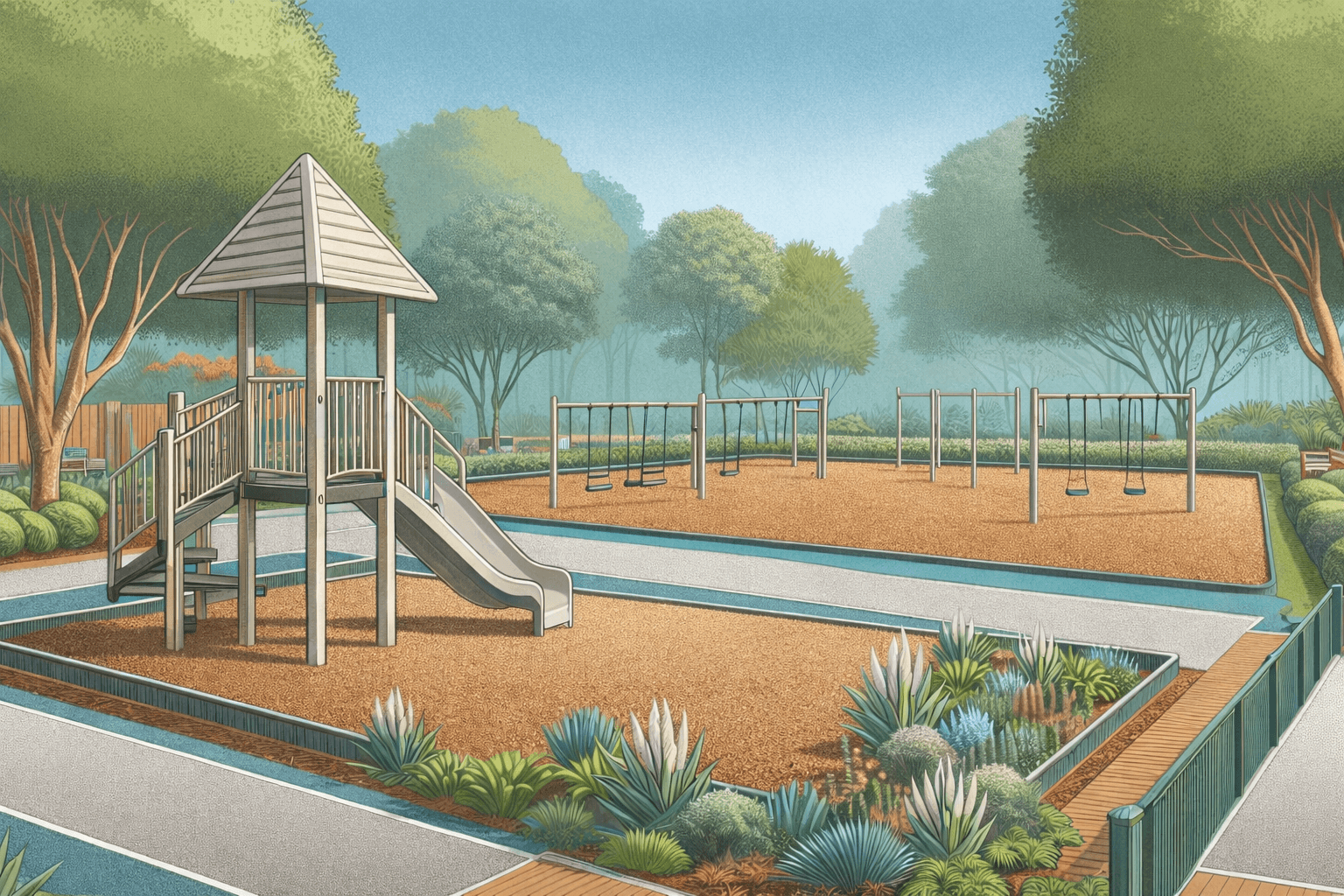
The Growing Importance of Sustainable Playground Solutions
Environmental responsibility has become a priority for schools, municipal facilities, and daycare centers across the country. When it comes to playground surfacing, certified playground safety mulch offers a compelling combination of child safety and environmental benefits that align with modern sustainability goals.
Playground administrators face increasing pressure to make environmentally conscious decisions while maintaining strict safety compliance. The good news is that these two priorities work together seamlessly when it comes to mulch surfacing. Understanding the environmental advantages of playground mulch helps facility managers make informed decisions that benefit both children and the planet.
How Certified Playground Safety Mulch Supports Environmental Goals
Certified playground safety mulch represents one of the most environmentally responsible surfacing options available today. Unlike synthetic alternatives that require energy-intensive manufacturing processes, playground mulch typically originates from reclaimed wood materials that would otherwise end up in landfills.
The certification process ensures that mulch meets both ASTM F1292 and F2075 standards for impact attenuation and accessibility, while also verifying that the material comes from sustainable sources. Many certified mulch products are produced from urban wood waste, including tree trimmings from utility line maintenance and construction site clearing. This approach diverts organic waste from disposal sites while creating a valuable safety product.
The natural decomposition process of wood fiber mulch also contributes to soil health over time. As the material gradually breaks down, it adds organic matter to the ground beneath playground areas. This contrasts sharply with rubber and synthetic surfaces that can leach chemicals or create disposal challenges at the end of their lifecycle.
Engineered Wood Fiber: Precision Meets Sustainability
Engineered wood fiber playground mulch takes environmental responsibility a step further through optimized processing techniques. This specialized mulch undergoes controlled sizing and screening to ensure consistent particle dimensions that meet playground safety requirements while maximizing material efficiency.
The engineering process reduces waste by utilizing wood materials more completely than traditional mulch production methods. Manufacturers can process smaller wood pieces and irregular shapes that might otherwise be discarded, creating a more comprehensive use of the raw material. The result is a product that performs better for playground safety while making the most of available wood resources.
Engineered wood fiber also tends to compress and settle more predictably than conventional mulch, which can extend the time between maintenance cycles. This longevity reduces the frequency of replacement installations, lowering the overall environmental impact of playground maintenance over time.
Carbon Footprint Considerations in Bulk Delivery
Bulk playground mulch for schools offers significant environmental advantages through efficient transportation and installation methods. Traditional bagged mulch requires extensive packaging materials and results in higher transportation costs due to packaging volume. Bulk delivery eliminates these packaging requirements while maximizing the amount of actual mulch material transported per trip.
Modern mulch blower trucks further enhance environmental efficiency by reducing installation time and minimizing site disruption. These specialized vehicles can complete installations more quickly than manual spreading methods, reducing fuel consumption and equipment operation time on school grounds. The precision application also ensures optimal material usage, preventing over-application that could lead to unnecessary environmental impact.
The logistics of bulk delivery also enable better route optimization for delivery schedules. Rather than making multiple trips with smaller quantities, bulk delivery can serve larger areas or multiple playground zones in a single visit, reducing overall transportation emissions.
Regional Sourcing and Local Environmental Benefits
Many playground mulch suppliers prioritize regional sourcing to minimize transportation distances and support local environmental management. This approach reduces the carbon footprint associated with moving materials across long distances while often providing better pricing for school districts and facility managers.
Regional sourcing also supports local forest management and urban tree care programs. When mulch production utilizes wood waste from local tree services, municipal maintenance, and construction activities, it creates a beneficial cycle that supports community environmental goals. This local approach often results in fresher mulch products with more consistent quality, since materials spend less time in transport and storage.
Water Management and Natural Drainage
Playground mulch contributes to effective stormwater management compared to impermeable surface alternatives. The organic material allows rainwater to filter through to the soil beneath, supporting natural drainage patterns and reducing runoff that can contribute to erosion or flooding issues.
This natural water absorption capacity helps maintain proper moisture levels in playground soil, which can benefit surrounding landscaping and tree health. Unlike synthetic surfaces that can create heat islands and direct all water to drainage systems, mulch surfaces work with natural water cycles to support the broader playground environment.
Long-Term Environmental Impact
The lifecycle environmental impact of certified playground safety mulch compares favorably to synthetic alternatives when evaluated over multiple years. While mulch requires periodic refreshing to maintain proper depth and safety compliance, the organic material integrates naturally with the environment rather than accumulating as long-term waste.
Synthetic playground surfaces may offer longer initial lifespans, but their disposal at the end of service life creates environmental challenges. Rubber and plastic playground materials often end up in landfills where they persist for decades without decomposing. Mulch surfaces, by contrast, contribute organic matter to soil health throughout their service life and leave no disposal burden when replacement becomes necessary.
Making Sustainable Choices Practical
The environmental benefits of playground mulch become most apparent when proper planning and installation practices are followed. Working with experienced providers who understand both safety requirements and sustainability principles ensures that environmental goals align with practical playground needs.
GetMulch.com manages the complete process of mulch installation and bulk delivery through a network of local partners, ensuring that environmental considerations are integrated into every project phase. This comprehensive approach helps schools and facility managers achieve their sustainability objectives while maintaining focus on child safety and budget requirements.