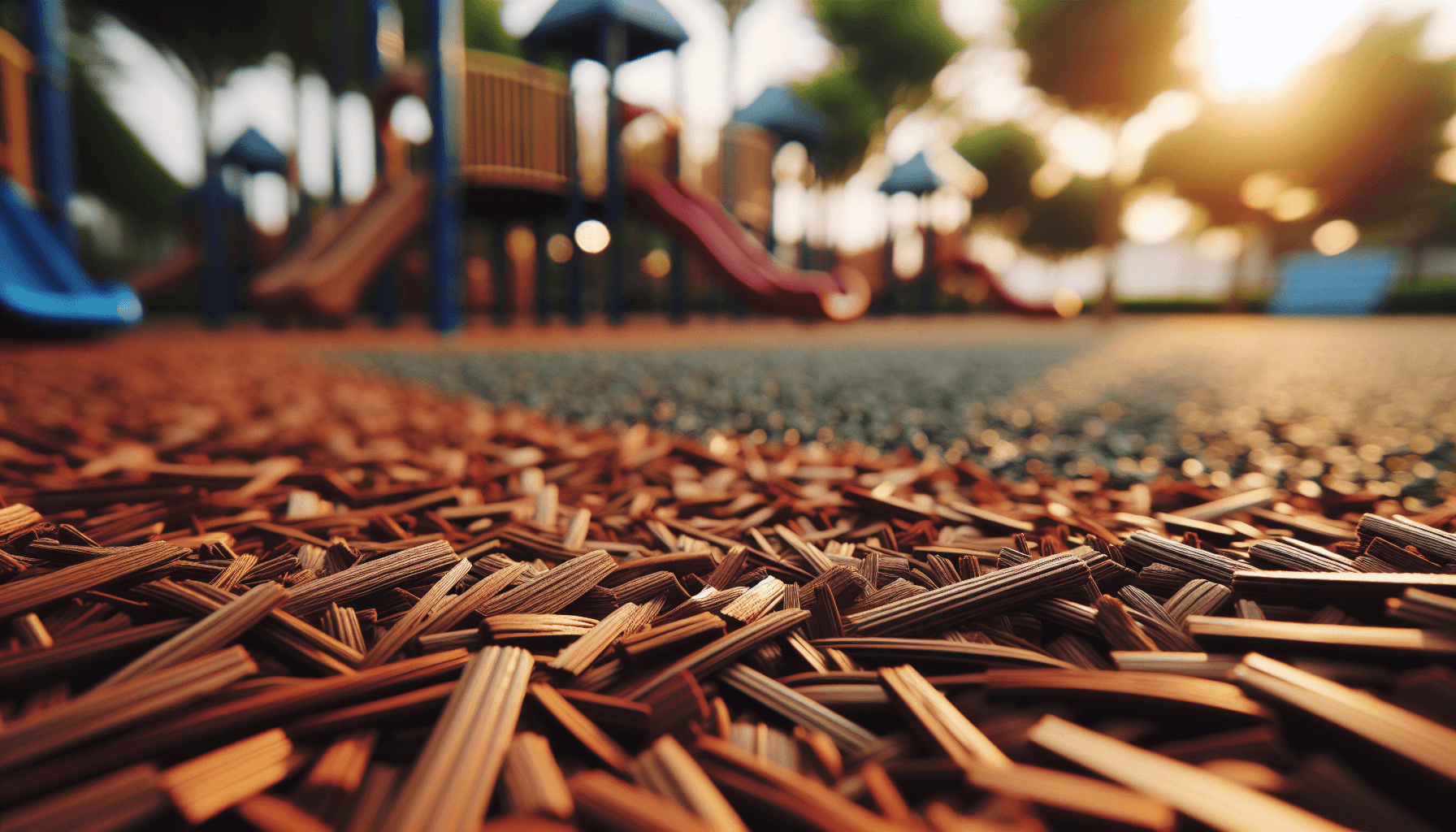
Playground Mulch Lifecycle and Durability: What Every Builder Needs to Know
When you install playground safety surfacing, you're making an investment. But how long will that investment last? Understanding playground mulch lifespan and durability factors helps you set realistic expectations, budget accurately, and schedule replacements before safety becomes an issue.
Typical Lifespan by Material Type
Not all playground mulch is created equal. Material choice directly impacts how long your surfacing will perform:
Engineered Wood Fiber (EWF): 7-10 years under normal conditions. EWF is the industry workhorse—affordable, compliant, and familiar to most installers. Expect faster degradation in high-traffic areas or regions with extreme weather.
Rubber Mulch: 12-15 years or more. Rubber outlasts wood products by a significant margin. It resists compaction, doesn't decompose, and maintains critical fall height protection longer. The trade-off? Higher upfront cost.
Shredded Rubber: 10-12 years. Similar durability to rubber mulch but with slightly faster UV degradation depending on the product.
Wood Chips (non-certified): 3-5 years. Standard landscape wood chips break down quickly and often fail to meet ASTM F1292 standards for fall protection. Not recommended for certified playgrounds.
These are baseline estimates. Real-world performance depends heavily on site conditions, usage patterns, and maintenance.
What Degrades Playground Mulch?
Mulch doesn't fail overnight. Degradation happens gradually, driven by multiple factors:
Weather and UV Exposure
Sunlight breaks down organic materials. Wood fiber loses structural integrity as UV rays degrade lignin and cellulose. Rain, snow, and freeze-thaw cycles accelerate decomposition. Rubber products resist UV better but can fade or harden over time if not properly stabilized during manufacturing.
Foot Traffic and Compaction
High-traffic areas—especially under swings, slides, and climbing structures—compact faster. Compaction reduces impact attenuation, the critical property that protects kids from fall injuries. Even the best mulch will compress over time. The question is how fast.
Moisture and Mold
Pooling water accelerates wood fiber decomposition and creates mold growth. Proper drainage and filter fabric installation extend mulch life by preventing standing water and weed intrusion.
Contamination
Leaves, dirt, sand, and debris mix with mulch over time, reducing its effectiveness. Annual raking and topdressing help, but eventually, the contamination load becomes unmanageable.
Signs It's Time to Replace Your Mulch
How do you know when your surfacing has reached end-of-life? Watch for these indicators:
Depth Loss: If your mulch has compressed below the minimum depth required for your equipment's fall height, it's time. Depth gauges or annual safety inspections will catch this early.
Visible Decomposition: Wood fiber that's turned to soil-like material no longer provides impact protection. If you can crumble mulch between your fingers into fine dust, it's done.
Compaction That Won't Fluff: Healthy mulch rebounds when raked. Dead mulch stays flat. If annual maintenance no longer restores depth, replacement is overdue.
Persistent Odor or Mold: This indicates advanced decomposition and potential health hazards. Replace immediately.
Failed Fall Height Testing: If your annual ASTM F1292 impact testing shows critical fall height below equipment requirements, the mulch has failed. This is a liability issue.
Cost-Per-Year Analysis: Upfront vs Longevity
Smart playground builders think in total cost of ownership, not just initial price.
EWF Example:
- Initial cost: $8,000 for 200 cubic yards
- Lifespan: 8 years
- Annual maintenance: $500
- Total cost: $12,000 / 8 years = $1,500/year
Rubber Mulch Example:
- Initial cost: $14,000 for equivalent coverage
- Lifespan: 14 years
- Annual maintenance: $300 (less frequent topdressing)
- Total cost: $18,200 / 14 years = $1,300/year
Rubber costs 75% more upfront but delivers lower annual cost and fewer replacement projects. Factor in labor, equipment mobilization, and playground downtime, and the gap widens.
This math shifts for smaller sites or temporary installations where EWF's lower barrier to entry makes sense. Know your use case.
Maintenance That Extends Mulch Life
You can't stop degradation, but you can slow it down:
Annual Raking and Redistribution: Move mulch from low-traffic areas to high-traffic zones. Fluff compacted areas. This is the single most effective maintenance activity.
Topdressing Every 2-3 Years: Add 1-2 inches of fresh mulch to restore depth and dilute decomposed material. Extends lifespan by 30-40%.
Drainage Maintenance: Keep water flowing away from the play area. Clear debris from drainage channels. Fix low spots that collect water.
Filter Fabric Integrity: If your filter fabric tears or degrades, weeds and dirt infiltrate the mulch layer. Repair or replace fabric as needed.
Remove Debris: Leaves, trash, and organic matter accelerate decomposition. Seasonal cleanups keep contamination in check.
Monitor High-Traffic Zones: The areas under swings and slide exits take the most abuse. These may need localized replacement before the rest of the playground.
When Replacement Makes Sense vs Topdressing
Topdressing works when:
- Mulch is less than 5 years old
- Decomposition is minimal
- Depth loss is under 2 inches
- No contamination or compaction issues
Full replacement is required when:
- Mulch has exceeded material lifespan
- Contamination is >30% of total volume
- Compaction cannot be reversed with maintenance
- Failed fall height testing
- Pervasive mold or odor issues
Plan Ahead: Lifecycle Budgeting for Multi-Site Operators
If you manage multiple playgrounds, lifecycle planning prevents emergency replacements and budget surprises.
Create a replacement schedule: Track installation dates, material types, and expected end-of-life for every site.
Budget for replacements 18 months out: Prices fluctuate. Lock in quotes early.
Phase replacements across fiscal years: Don't let multiple sites hit end-of-life simultaneously.
Use GetMulch.com for nationwide consistency: Whether you're replacing one site in Ohio or six across the Midwest, GetMulch connects you with certified providers who meet your specs.
The Bottom Line
Playground mulch is not a set-it-and-forget-it purchase. It's a renewable component of your playground safety system. Understanding material lifespans, degradation factors, and maintenance requirements helps you maximize your investment and keep kids safe.
Whether you choose engineered wood fiber for affordability or rubber for longevity, the key is knowing when to maintain, when to topdress, and when to replace. Your mulch shows up when your crew does—make sure it lasts as long as you need it to.
Ready to schedule your next mulch replacement? GetMulch.com connects playground builders and facility managers with certified providers nationwide. Get a quote in minutes, compare materials, and lock in delivery when your crew is ready. Visit GetMulch.com →