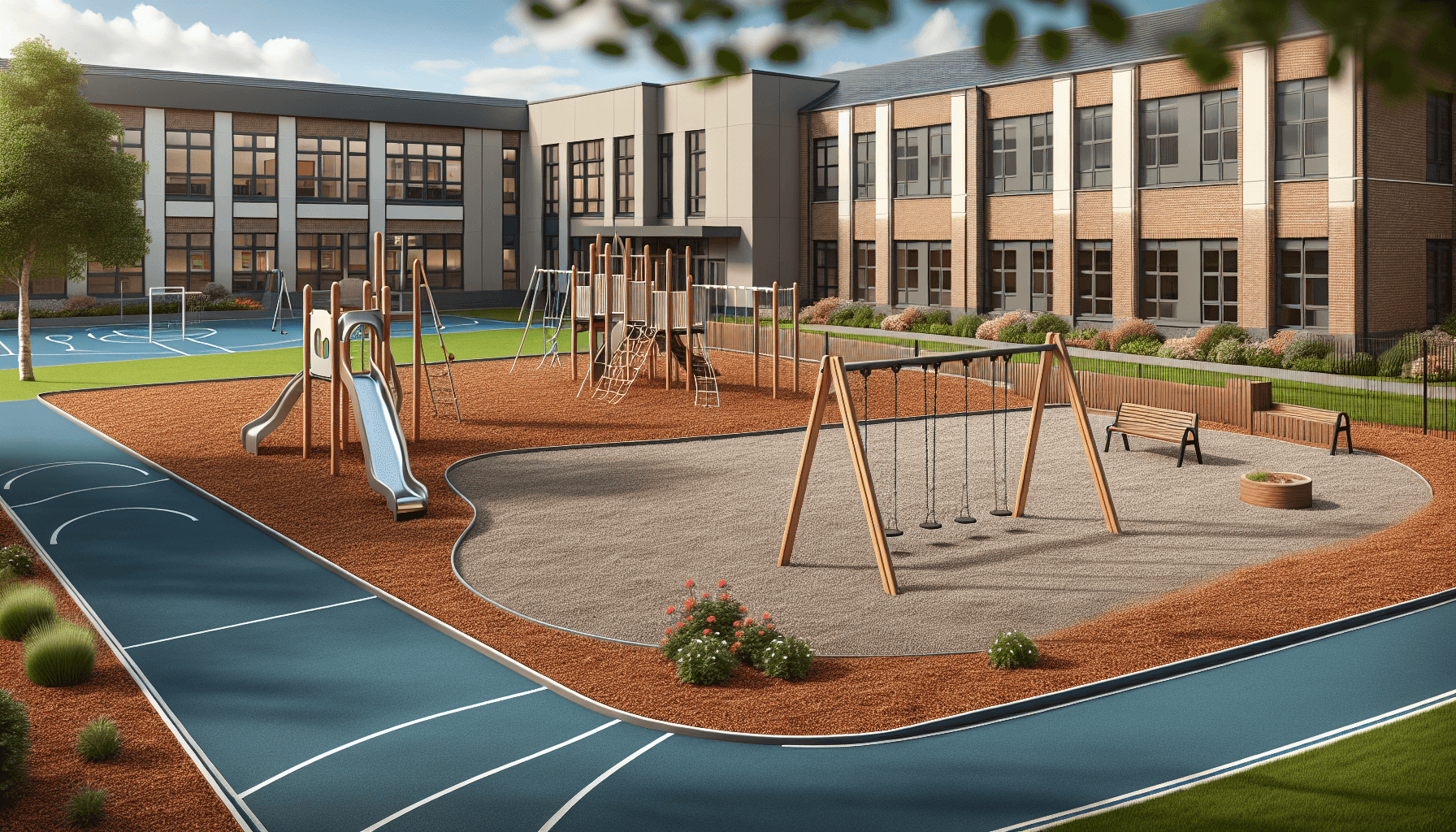
Understanding Safe Mulch Program Requirements
Developing an effective safe mulch program for educational facilities involves more than simply ordering mulch when surfaces look worn. Schools and daycares face unique challenges in maintaining playground safety surfaces while managing tight budgets and complex procurement processes. A structured approach to mulch management helps ensure compliance with safety standards while reducing the administrative burden on facility managers.
The foundation of any safe mulch program begins with understanding ASTM F1292 standards for impact attenuation and ASTM F2075 requirements for engineered wood fiber specifications. These standards define the performance characteristics that certified playground safety mulch must meet to provide adequate protection for children during falls from playground equipment.
Key Components of Effective Mulch Programs
Successful mulch programs incorporate several essential elements that work together to maintain safe playground environments. Regular inspection schedules help identify when surfaces need attention, while established vendor relationships ensure reliable service when maintenance is required.
Maintaining proper depth across playground surfaces requires ongoing attention. High-traffic areas under swings and at the base of slides typically need more frequent replenishment than perimeter zones. Weather conditions also affect mulch displacement, with heavy rains washing material away and strong winds redistributing coverage unevenly.
Documentation plays a crucial role in program effectiveness. Recording inspection dates, depth measurements, and maintenance activities creates a paper trail that demonstrates due diligence in safety compliance. This documentation proves valuable during safety audits and helps justify budget allocations for playground maintenance.
Vendor Coordination Challenges in Educational Settings
Educational facilities often struggle with the complexities of coordinating multiple vendors for playground maintenance needs. Traditional procurement processes require facility managers to research potential suppliers, request quotes from multiple sources, and manage communications throughout the project lifecycle.
This coordination becomes particularly challenging when facilities need real-time playground mulch quotes for budget planning or emergency repairs. School schedules add another layer of complexity, as installation work must often be completed during specific windows to avoid disrupting educational activities.
Finding reliable playground mulch suppliers near me becomes a recurring challenge for facility managers who may not have extensive experience in the playground maintenance industry. Vetting suppliers for proper certifications, insurance coverage, and quality standards requires time and expertise that many educational facilities lack.
Budget Planning and Cost Management
Effective safe mulch programs require strategic budget planning that accounts for both routine maintenance and unexpected needs. Many facilities underestimate the true cost of playground surface maintenance by focusing solely on material costs while overlooking coordination time and administrative expenses.
Scheduling installations during optimal weather conditions helps maximize the lifespan of certified playground safety mulch installations. Spring and fall typically provide the best conditions for mulch installation, allowing materials to settle properly before extreme weather conditions arrive.
Bulk purchasing arrangements can provide cost savings for larger facilities or school districts managing multiple playground locations. However, coordinating delivery schedules and storage requirements across multiple sites adds complexity that must be carefully managed.
Technology Solutions for Modern Mulch Management
Digital platforms are changing how educational facilities approach playground maintenance coordination. Rather than managing multiple vendor relationships individually, facility managers can now access centralized systems that handle vendor communication and coordination automatically.
These platforms typically maintain networks of pre-vetted suppliers who meet specific certification and performance standards. When facilities need mulch services, the platform coordinates with appropriate suppliers in the area, manages quote generation, and oversees project completion from start to finish.
Real-time pricing information helps facility managers make informed decisions quickly, particularly important when dealing with safety-related maintenance that cannot be delayed. Integration with existing procurement systems allows facilities to maintain their preferred approval processes while benefiting from simplified vendor coordination.
Compliance and Documentation Best Practices
Maintaining proper documentation supports both safety compliance and risk management objectives. Regular photo documentation of playground surfaces provides visual records that supplement written inspection reports. These records prove particularly valuable when addressing insurance claims or safety audits.
IPEMA certification provides additional assurance that mulch materials meet rigorous safety and performance standards. Facilities should verify that suppliers provide appropriate certification documentation with each delivery to ensure materials meet specified requirements.
Training staff on proper inspection techniques ensures consistent evaluation of playground surfaces. Simple tools like depth gauges help maintenance personnel accurately measure surface depths and identify areas requiring attention before safety concerns develop.
Implementation Strategies for Different Facility Types
Large school districts benefit from coordinated programs that leverage purchasing power across multiple locations while maintaining consistent safety standards. Centralized coordination reduces administrative burden on individual schools while ensuring district-wide compliance with safety requirements.
Smaller facilities like private daycares may find seasonal programs more appropriate, scheduling major maintenance during summer breaks when playground usage is reduced. These facilities often benefit most from simplified vendor coordination that eliminates the need to research and manage multiple supplier relationships.
Public school systems must often navigate complex procurement requirements while maintaining competitive pricing. Platforms that handle vendor coordination while supporting existing approval processes help these facilities balance compliance requirements with operational efficiency.