The Growing Need for Sustainable Playground Solutions
Playground design and maintenance decisions increasingly reflect broader environmental considerations. Facility managers, school administrators, and daycare directors face mounting pressure to balance safety requirements with environmental responsibility. This intersection creates unique opportunities to implement solutions that serve both priorities effectively.
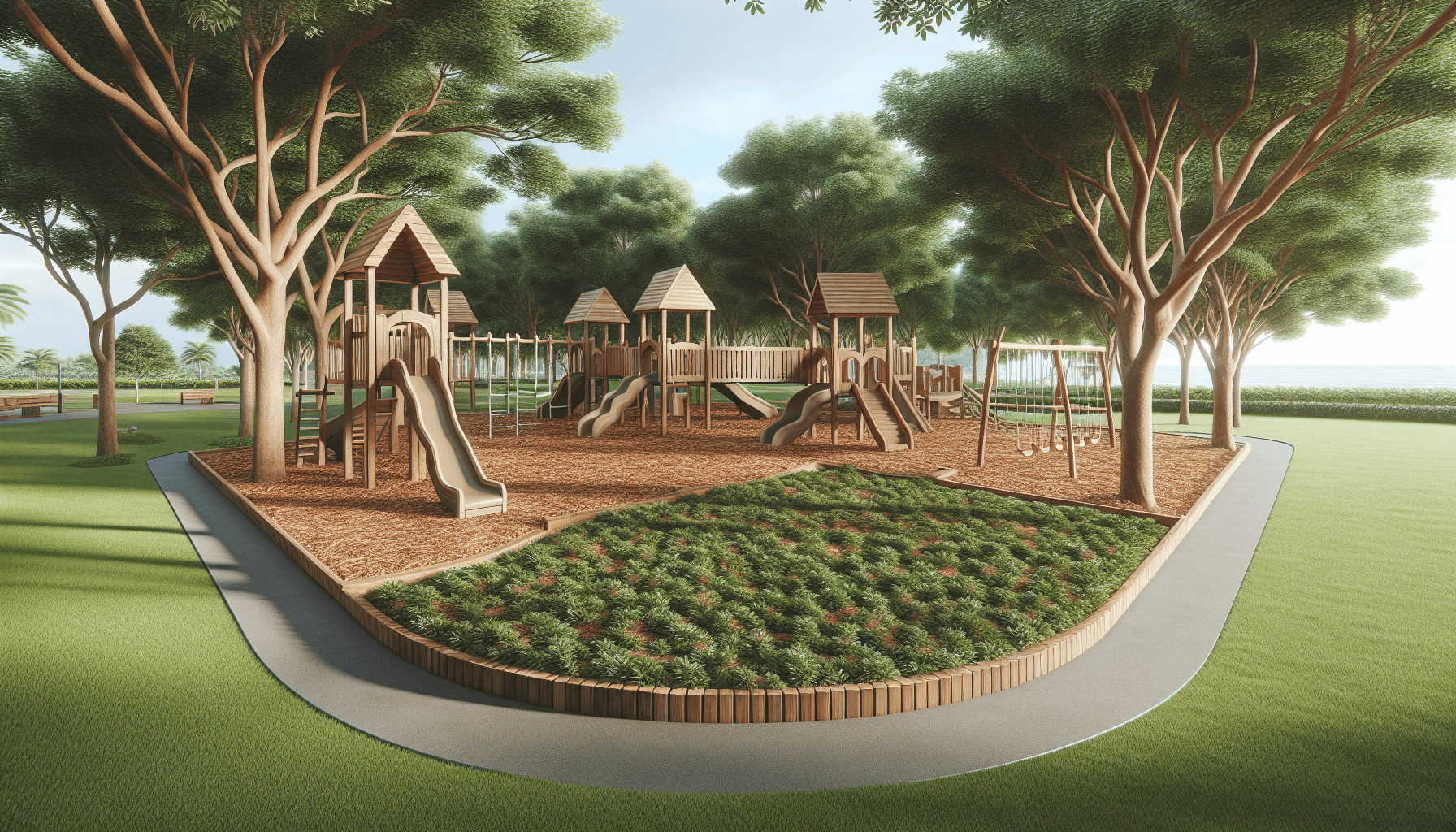
Playground surfacing for daycares represents one area where environmental benefits align closely with practical needs. Traditional synthetic surfaces and rubber materials require significant energy inputs during manufacturing and present disposal challenges at end-of-life. Natural mulch surfaces offer a compelling alternative that addresses these concerns while maintaining compliance with established safety standards.
Carbon Storage and Climate Impact
Wood-based playground mulch functions as a carbon storage medium throughout its service life. Trees naturally sequester carbon dioxide during growth, converting atmospheric carbon into solid wood fiber. When processed into engineered wood fiber for playground use, this carbon remains locked within the material structure for extended periods.
The decomposition process occurs gradually over multiple years, releasing stored carbon slowly rather than through rapid combustion or industrial processing. This extended timeline allows facilities to maintain carbon storage benefits while the surface provides ongoing safety and accessibility functions.
Certified playground safety mulch typically derives from responsibly managed forest resources, where harvesting practices support continued carbon sequestration through forest regeneration. This creates a sustainable cycle that maintains long-term carbon benefits beyond individual playground installations.
Waste Stream Reduction Through Material Reuse
Playground mulch production often incorporates wood waste streams that would otherwise require disposal through landfilling or incineration. Tree trimming operations, construction projects, and lumber manufacturing generate substantial quantities of clean wood fiber suitable for playground applications.
By redirecting these materials into playground surfacing, communities reduce waste disposal costs while creating valuable safety infrastructure. This approach transforms potential waste streams into functional assets that serve educational and recreational facilities for years.
The manufacturing process requires minimal chemical treatment compared to synthetic alternatives. Most certified playground safety mulch undergoes simple screening and sizing operations without extensive chemical processing or synthetic additives.
Natural Decomposition and Soil Enhancement
Playground mulch gradually breaks down through natural biological processes, enriching underlying soil conditions. This decomposition introduces organic matter that improves soil structure, water retention, and nutrient availability. Unlike synthetic surfaces that require complete removal and disposal, natural mulch integrates beneficially with existing site conditions.
The decomposition timeline aligns well with typical replacement schedules for playground surfacing maintenance. As older mulch layers decompose, they create improved growing conditions for surrounding landscape areas while new surface material maintains required safety performance.
This natural integration eliminates disposal challenges associated with synthetic surfacing materials. Worn mulch can often remain in place during surface renewal, reducing waste generation and transportation requirements.
Water Management and Stormwater Benefits
Mulch surfaces provide superior water infiltration compared to impermeable synthetic alternatives. This characteristic supports natural stormwater management by reducing surface runoff and allowing precipitation to filter gradually into underlying soil layers.
Improved infiltration reduces strain on municipal stormwater systems while supporting groundwater recharge. These benefits become increasingly valuable as communities address infrastructure capacity limitations and water quality concerns.
The porous structure of properly installed mulch surfacing also reduces standing water formation after precipitation events. This characteristic improves playground accessibility while supporting environmental objectives related to water cycle management.
Energy Efficiency in Production and Transportation
Manufacturing playground mulch requires significantly less energy input compared to synthetic surfacing alternatives. The production process primarily involves mechanical grinding and screening operations rather than energy-intensive chemical processing or high-temperature manufacturing.
Local and regional sourcing opportunities further reduce transportation energy requirements. Many communities can access suitable wood fiber resources within reasonable shipping distances, minimizing fuel consumption and associated emissions.
Playground mulch pricing often reflects these lower production and transportation costs, making environmental benefits accessible without premium pricing structures. This alignment supports broader adoption of sustainable surfacing solutions across diverse facility types and budget constraints.
Supporting Biodiversity and Natural Systems
Natural mulch surfaces support beneficial soil microorganism populations that contribute to healthy ecosystem functions. These biological communities process organic matter, cycle nutrients, and support plant health in surrounding landscape areas.
The gradual decomposition process creates habitat opportunities for beneficial insects and soil organisms that support broader ecological balance. While playground areas require active management, natural mulch surfaces integrate more compatibly with surrounding natural systems compared to synthetic alternatives.
Long-Term Sustainability Considerations
Implementing sustainable playground surfacing requires understanding maintenance cycles and replacement planning. Natural mulch surfaces typically require periodic refreshment to maintain proper depth and safety compliance. This ongoing cycle supports continued environmental benefits through regular carbon storage renewal.
Planning maintenance schedules around natural decomposition patterns optimizes both environmental and safety outcomes. Facilities can coordinate surface renewal with landscape management activities to maximize efficiency and minimize disruption.
GetMulch.com manages comprehensive playground mulch installation and bulk mulch delivery programs that integrate environmental considerations with safety compliance requirements. Through our managed network of pre-vetted local partners, we ensure consistent access to certified materials while supporting sustainable sourcing practices and efficient project execution from initial planning through completion.