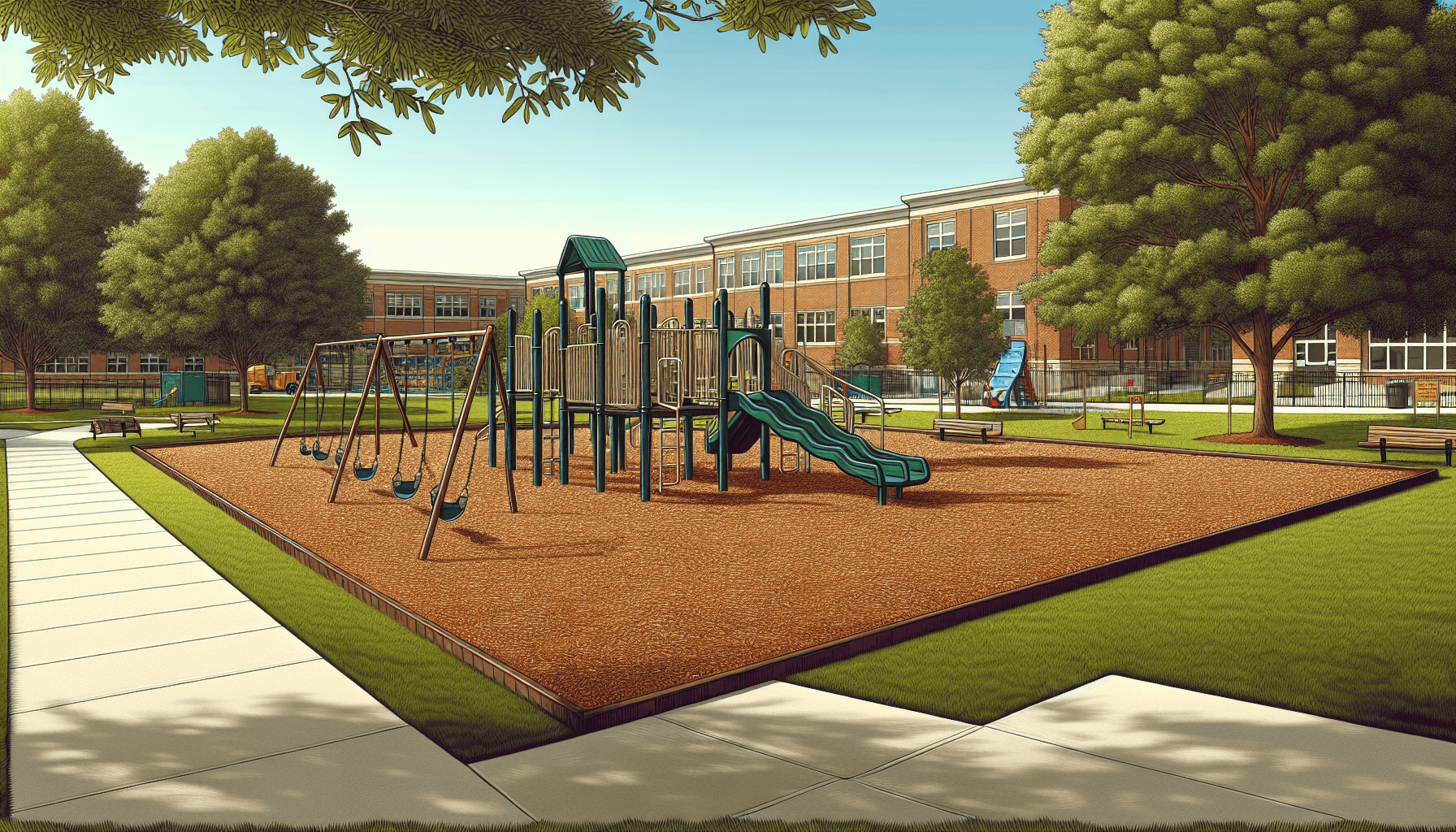
The Hidden Costs of Delaying Mulch Replacement
Playground mulch serves as the first line of defense against serious injuries, yet many facility managers treat replacement as an optional expense rather than a critical safety investment. This approach creates significant liability exposure and often results in higher costs over time. Understanding when and why to replace playground mulch helps administrators make informed decisions that protect both children and budgets.
The National Safety Council reports that playground injuries send over 200,000 children to emergency rooms annually, with surface-related incidents accounting for a substantial portion of these cases. Most of these injuries occur when impact-absorbing materials lose their protective qualities due to age, compaction, or displacement.
Safety Standards Require Consistent Performance
ASTM F1292 standards establish specific fall height requirements for playground surfacing materials, but these standards only apply when mulch maintains proper depth and composition. Over time, organic mulch naturally decomposes, losing both volume and shock-absorbing capacity. What begins as compliant playground surfacing for daycares can gradually become a safety hazard without regular assessment and replacement.
Weather conditions accelerate this degradation process. Heavy rainfall washes away fine particles that contribute to impact absorption, while freeze-thaw cycles break down wood fibers more rapidly. In high-traffic areas, constant foot traffic compacts remaining material, creating hard spots that fail to meet safety requirements.
Facility managers often discover compliance issues during routine inspections, but by this point, the window for preventive action has passed. Reactive replacement typically costs 20-30% more than scheduled maintenance due to expedited delivery requirements and potential playground closures during installation.
Visual Appeal Affects Community Perception
Beyond safety considerations, worn playground surfaces create negative impressions among parents, community members, and regulatory inspectors. Faded, sparse, or weed-infested mulch suggests neglect and raises questions about overall facility maintenance standards. This perception particularly affects daycare centers competing for enrollment and public facilities seeking community support.
Fresh mulch immediately improves playground aesthetics and demonstrates proactive facility management. The visual contrast between new and old surfacing often surprises administrators who have gradually adjusted to declining conditions. Regular replacement prevents this gradual degradation and maintains consistent quality standards.
Pest and Weed Management Benefits
Aged mulch creates favorable conditions for unwanted vegetation and pest activity. As organic material breaks down, it forms nutrient-rich soil that supports weed growth throughout play areas. Established weeds create trip hazards and require additional maintenance resources to remove safely.
Insects and small rodents often nest in decomposing mulch, creating health concerns and potentially triggering pest control issues in nearby buildings. Fresh engineered playground mulch nationwide suppliers typically treat materials to resist pest activity and slow decomposition, providing longer-lasting protection against these problems.
Replacement also eliminates accumulated debris, trash, and organic matter that collects in playground surfaces over time. This clean-slate approach prevents odor development and reduces maintenance requirements throughout the following season.
Long-Term Cost Analysis Favors Proactive Replacement
While replacement costs represent significant upfront expenses, delaying action typically increases total lifecycle costs. Partially degraded mulch requires more frequent top-dressing applications to maintain proper depth, and these interim solutions often provide inconsistent coverage and performance.
Liability concerns create additional financial considerations. Insurance providers increasingly scrutinize playground maintenance records following injury claims, and evidence of deferred maintenance can complicate coverage decisions. Documented replacement schedules demonstrate due diligence and support liability protection strategies.
Facility managers also benefit from predictable budgeting when replacement occurs on regular schedules. Emergency replacements disrupt other planned expenditures and limit vendor selection options, often resulting in higher per-unit costs.
Compliance Documentation Requirements
Many jurisdictions require playground operators to maintain detailed records of surface testing and replacement activities. Regular replacement simplifies compliance documentation and provides clear evidence of safety standard adherence. This documentation becomes particularly valuable during licensing renewals, insurance audits, and potential legal proceedings.
IPEMA certification requirements also specify ongoing maintenance obligations that extend beyond initial installation. Meeting these requirements often necessitates complete replacement rather than partial repairs, especially in high-use areas where wear patterns create uneven surfaces.
Technology Solutions Simplify Replacement Planning
Modern facility management benefits from digital platforms that provide real-time playground mulch quotes and automated scheduling capabilities. These systems help administrators plan replacement activities around budget cycles, weather conditions, and facility usage patterns.
Access to engineered playground mulch nationwide through coordinated networks eliminates many traditional barriers to proactive replacement. Instead of managing multiple vendor relationships and coordinating complex logistics, facility managers can work with single points of contact that handle project planning through completion.
GetMulch.com operates as this central coordination point, managing relationships with local installation partners while providing facility managers with consistent pricing, scheduling, and quality standards. This approach eliminates the administrative burden of vendor management while ensuring replacement projects meet safety requirements and budget constraints. The platform's managed network handles both emergency replacement needs and planned maintenance schedules, giving administrators flexible options for maintaining compliant playground surfacing regardless of timeline requirements.