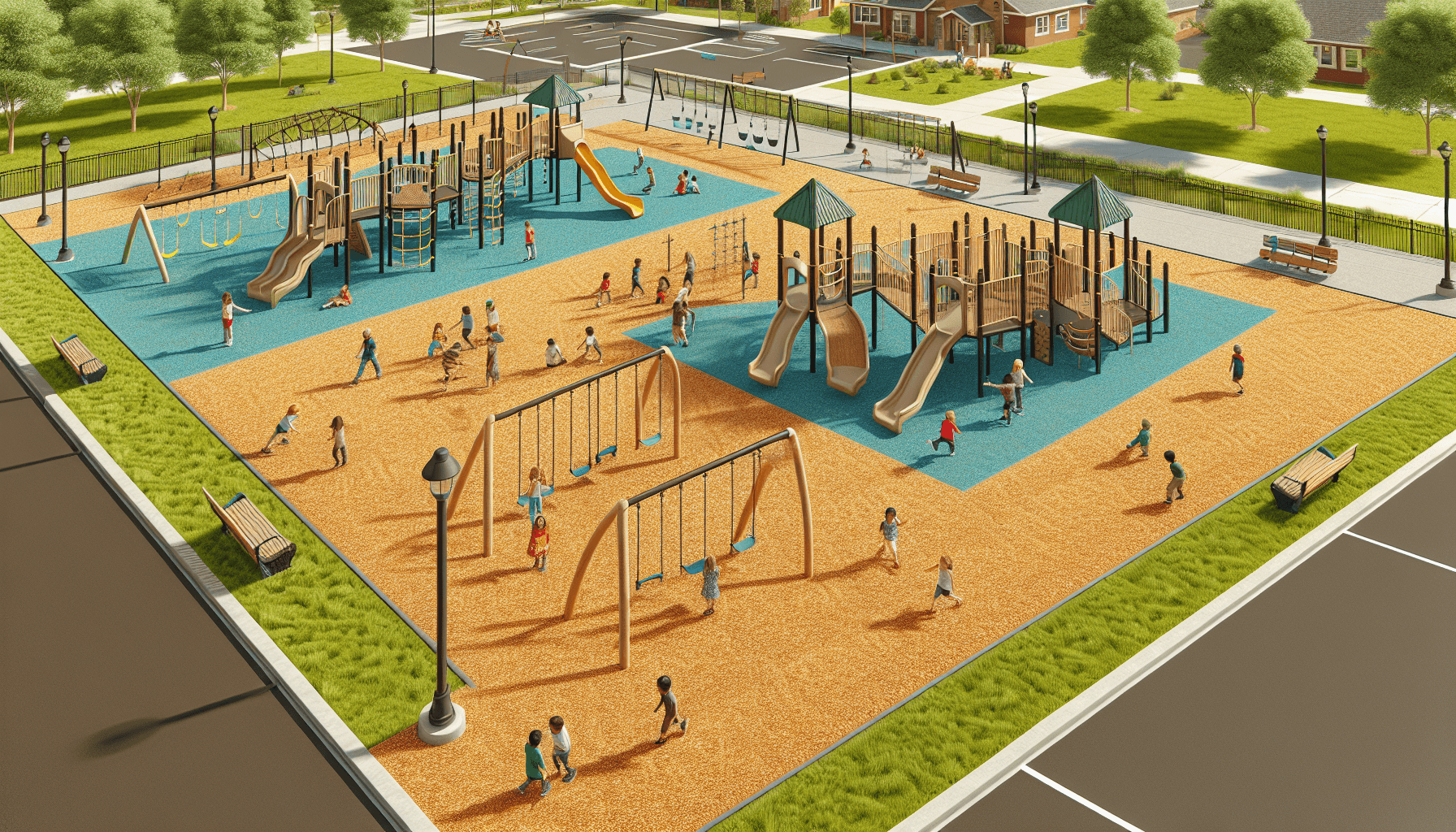
Understanding Playground Mulch Certification Standards
Playground safety compliance begins with the surface beneath children's feet. When evaluating surfacing options, the difference between standard landscape mulch and certified playground mulch can mean the difference between meeting safety requirements and facing liability concerns. Certified playground mulch undergoes rigorous testing to ensure it meets specific safety standards established by organizations like ASTM International and the International Playground Equipment Manufacturers Association (IPEMA).
The certification process evaluates multiple factors including impact attenuation, accessibility compliance under the Americans with Disabilities Act, and material composition. ASTM F1292 specifically addresses impact attenuation testing, which measures how effectively the surface material reduces the force of impact when a child falls. This standard requires testing at various heights corresponding to different playground equipment configurations.
Engineered wood fiber playground mulch represents the gold standard in certified surfacing materials. Unlike traditional wood chips or shredded bark, engineered wood fiber undergoes processing that creates consistent particle size and composition. This uniformity directly impacts the material's ability to provide reliable impact protection across the entire play area.
The Compliance Framework for Playground Surfaces
Compliance requirements extend beyond simple material selection. ASTM F1487 establishes comprehensive guidelines for playground equipment and surfacing, including specific depth requirements based on the critical fall height of installed equipment. For most playground configurations, this translates to maintaining mulch depths between 9 and 12 inches, depending on the maximum fall height present.
IPEMA certification adds another layer of assurance by providing third-party verification that materials meet established safety standards. When facility managers select IPEMA-certified materials, they gain documentation that demonstrates due diligence in safety compliance. This documentation becomes particularly valuable during safety inspections, insurance reviews, and potential liability assessments.
The accessibility component of compliance often receives less attention but carries equal importance. ASTM F1951 addresses accessibility requirements, ensuring that playground surfaces accommodate children with mobility devices. Certified playground mulch that meets these standards maintains appropriate firmness and stability while still providing adequate impact protection.
Quality Control in Material Sourcing and Delivery
Not all playground mulch marketed as "certified" actually meets rigorous safety standards. The source material, processing methods, and quality control measures vary significantly between suppliers. Engineered playground mulch nationwide requires consistent sourcing from facilities that maintain strict quality standards throughout the production process.
Proper certification involves batch testing to ensure consistent performance characteristics. This testing evaluates factors like moisture content, particle size distribution, and the absence of hazardous materials such as metals, glass, or treated wood products. Quality suppliers maintain documentation for each batch, creating a traceable chain of compliance from production through installation.
Nationwide playground mulch delivery systems must account for regional variations in material availability while maintaining consistent quality standards. This challenge requires coordination between multiple production facilities and transportation networks to ensure that certified materials reach project sites regardless of geographic location.
The Financial Impact of Compliance Decisions
The cost difference between certified and non-certified playground mulch often appears minimal when viewed as a per-unit price comparison. However, the long-term financial implications of this decision extend far beyond initial material costs. Non-compliant surfacing materials can result in failed safety inspections, insurance complications, and potential liability exposure.
Compliance-related expenses typically surface during routine safety audits when non-certified materials require complete replacement rather than simple maintenance. The disruption caused by emergency surface replacement affects facility operations, especially in school and daycare environments where playground access directly impacts daily activities.
Certified materials also demonstrate greater longevity and performance consistency compared to standard landscape mulch. The engineering process that creates uniform particle size and composition translates into more predictable maintenance schedules and replacement cycles. This predictability enables more accurate budgeting and reduces unexpected capital expenses.
Implementation Considerations for Different Facility Types
School districts face unique compliance pressures due to state regulations and insurance requirements that often exceed minimum federal standards. Many states have adopted specific playground safety codes that reference ASTM and IPEMA standards directly. District administrators must navigate these requirements while managing budget constraints and maintenance capabilities across multiple facilities.
Daycare facilities operating under state licensing requirements encounter similar compliance mandates but often lack the administrative infrastructure to manage complex vendor relationships and quality verification processes. The documentation requirements alone can overwhelm smaller facilities that lack dedicated facilities management staff.
Municipal parks and recreation departments deal with compliance across diverse playground configurations and usage patterns. Public facilities often face higher liability exposure due to unrestricted access and varied user demographics. This environment demands particularly robust compliance documentation and consistent maintenance protocols.
Vendor Management and Quality Assurance
Maintaining compliance requires ongoing vendor oversight beyond initial material selection. The installation process significantly impacts the performance characteristics of certified playground mulch. Proper installation techniques, depth verification, and edge containment all contribute to maintaining the safety characteristics validated during certification testing.
Engineered wood fiber playground mulch requires specific installation protocols to achieve optimal performance. These protocols include soil preparation, drainage considerations, and compaction techniques that preserve the material's impact attenuation properties. Installation teams must understand these requirements to avoid compromising the certified performance characteristics.
Quality assurance extends through the entire project lifecycle, from material delivery through final inspection. Documentation requirements include material certifications, installation verification, and ongoing maintenance records that demonstrate continued compliance with applicable standards.
Ensuring Long-Term Compliance Success
Playground safety compliance represents an ongoing commitment rather than a one-time achievement. Regular depth measurements, material condition assessments, and maintenance scheduling all contribute to maintaining the safety characteristics of certified playground mulch. Establishing clear protocols for these activities helps facility managers maintain compliance while managing operational demands.
GetMulch.com addresses these compliance challenges by managing the complete project lifecycle from initial specification through installation completion. Our platform ensures that all materials meet applicable ASTM and IPEMA standards while coordinating installation through our managed network of pre-vetted local partners. This approach provides facility managers with single-point accountability for both playground mulch installation and bulk mulch delivery projects, eliminating the complexity of managing multiple vendor relationships while maintaining rigorous compliance standards.