 11/9/2026
ASTM F2075 Explained: What Playground Builders Need to Know About the Engineered Wood Fiber Standard
ASTM F2075-23 defines the material requirements for engineered wood fiber (EWF) used as playground safety surfacing. Learn the particle size limits, moisture content requirements, and what happens when a supplier's material fails the standard.
Read More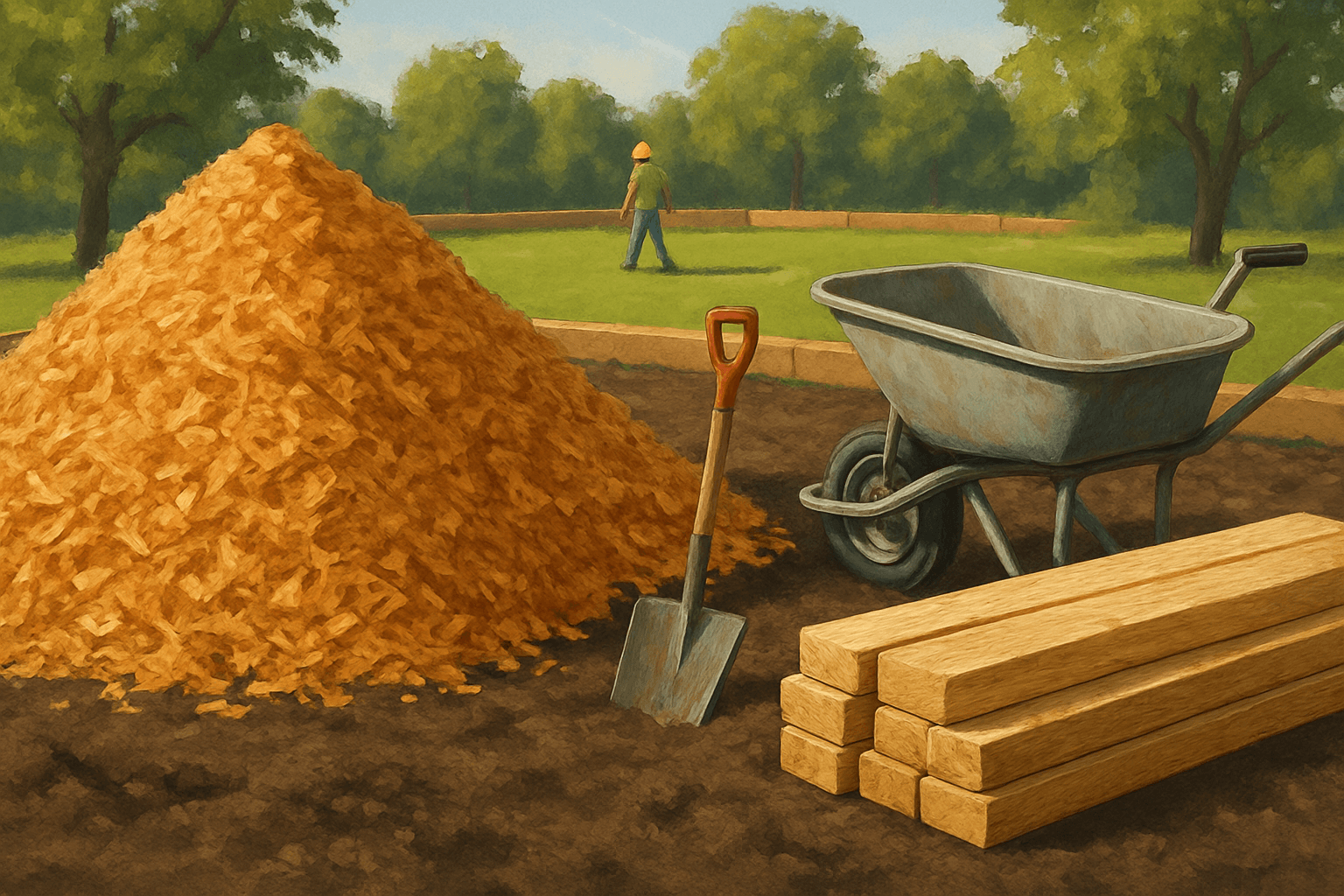 11/5/2026
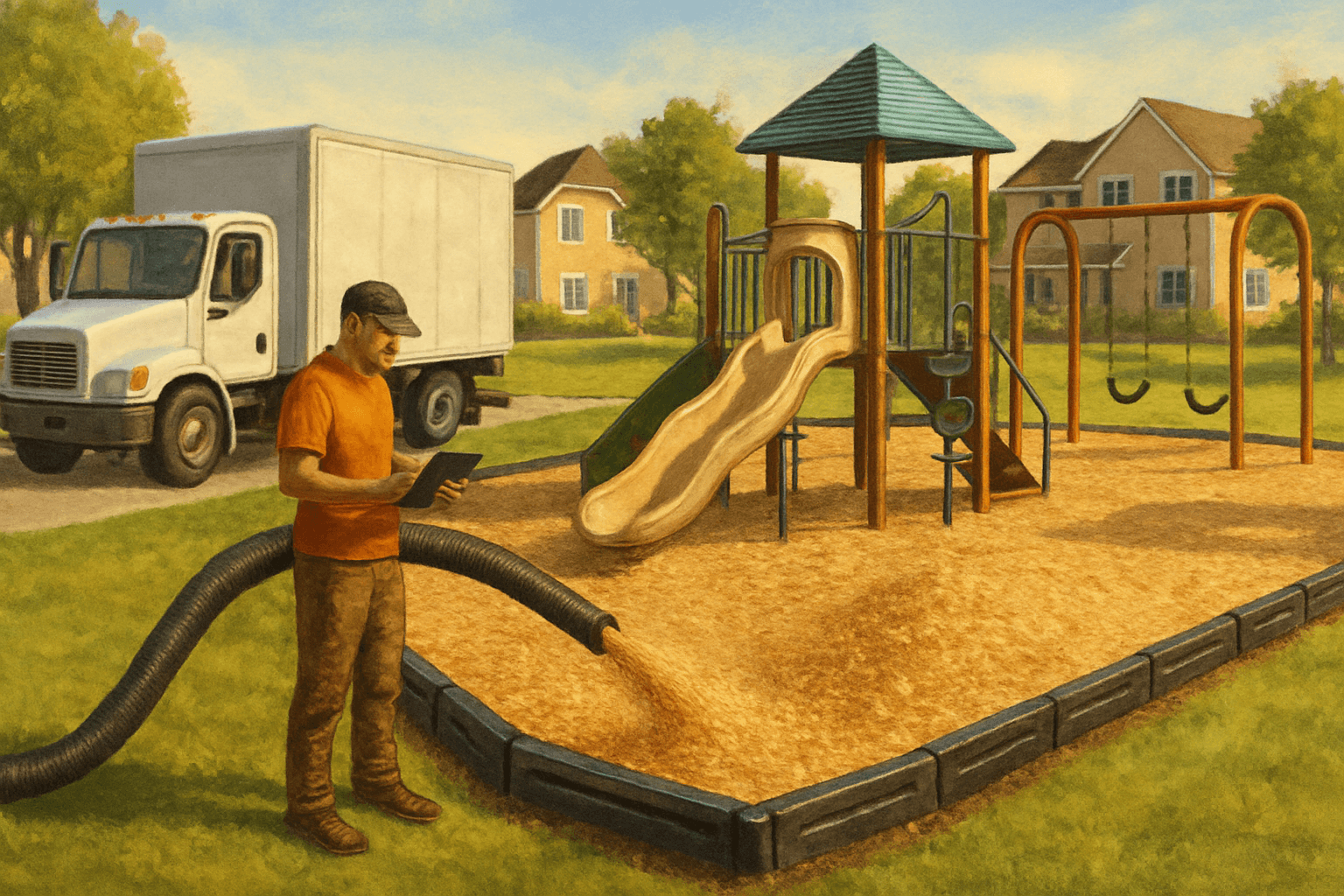
How to Prepare a Playground Site for Bulk Mulch Delivery: A Contractor's Checklist
A field-ready 10-step checklist for playground contractors preparing a site for bulk mulch delivery. Covers blower truck access requirements, containment border installation, ground conditions, delivery day staging, and common mistakes that cause delays.
Read More 11/3/2026
How to Coordinate with Landscape Architects on Mulch Specs
Landscape architects spec playground surfacing on municipal parks, school campuses, HOAs, and commercial developments—and when they do, they own the spec. Here's how to coordinate from pre-con to install, build a submittal package that gets approved fast, and turn every LA job into repeat work.
Read More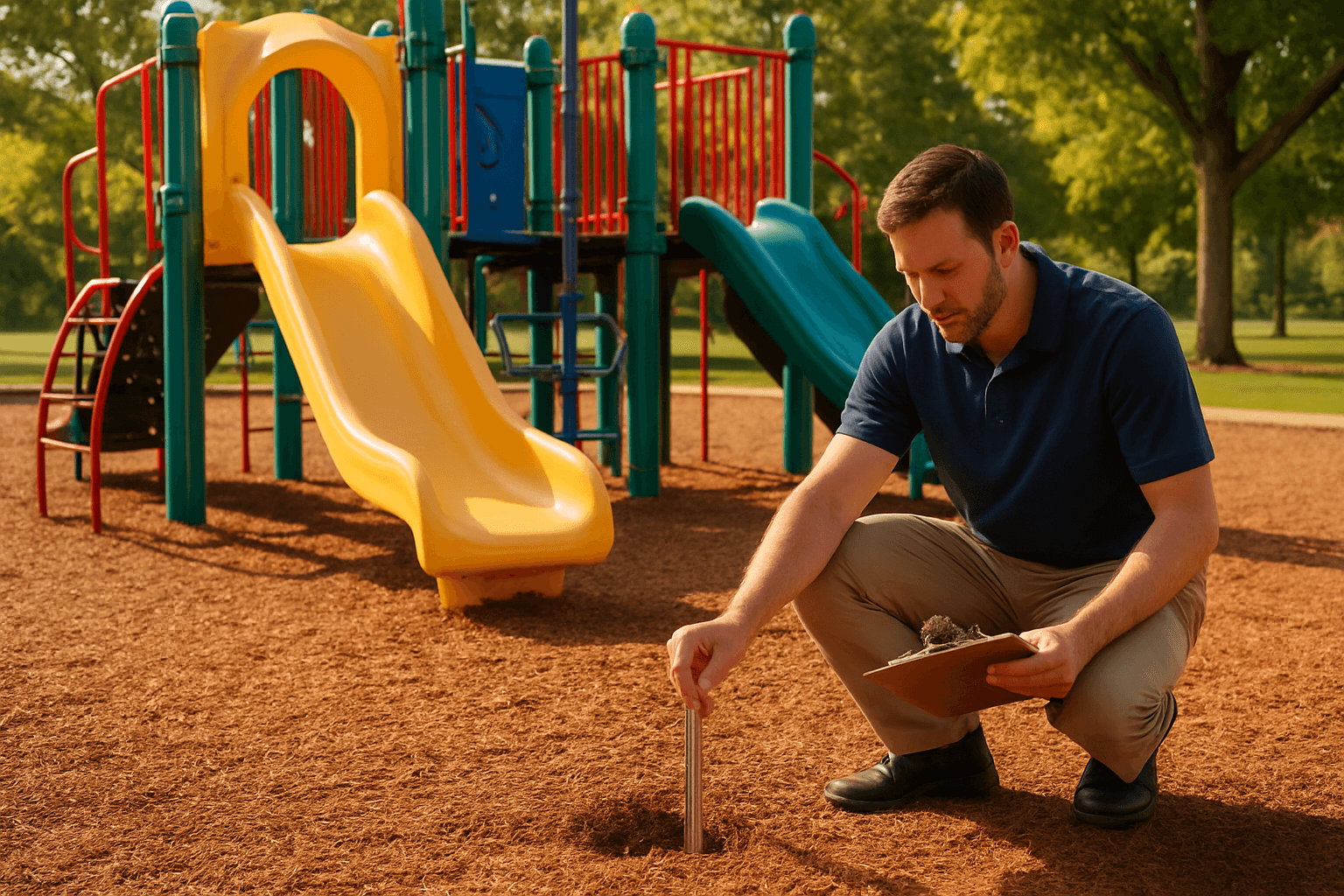 10/6/2026
How to Write a Playground Mulch Specification for an RFP
Park and recreation directors and school district facilities staff: here is the complete guide to writing a compliant playground mulch specification for competitive bids. Covers ASTM F2075, IPEMA certification, depth requirements, sample spec language, and bid evaluation.
Read More 9/29/2026
Off-Season Mulch Procurement: Why Spring Jobs Get Cheaper When You Buy in January
Park districts and school facilities teams that order engineered wood fiber mulch in Q4 or January routinely pay 15 to 25 percent less than those who wait until spring. Learn how to lock in off-season playground mulch pricing and plan a smooth spring installation.
Read More 9/24/2026
What a Playground Surface Failure Actually Costs: The Liability Case for Proper Mulch Depth
A playground injury claim tied to inadequate surface depth can run from $50,000 to over $1 million when litigation and indirect costs compound. Learn what playground liability surfacing compliance actually costs versus claim exposure, and what documentation protects operators when ASTM F1292 depth requirements are not met.
Read More 9/22/2026
Playground Mulch Inspection: A Seasonal Checklist for Contractors and Facility Managers
A four-season playground surfacing inspection checklist for facility managers and contractors. Covers depth measurement protocol, seasonal inspection items, a decision framework for top-off vs. replacement vs. closure, documentation requirements, and when to schedule professional G-max/HIC testing.
Read More 9/17/2026
How Playground Contractors Should Bid Mulch Jobs: Pricing, Logistics, and Protecting Your Margin
A complete estimating framework for playground contractors: use zone measurement, cubic yard calculation, compaction allowance, delivery pricing, and margin protection strategies with a worked bid example.
Read More 9/15/2026
Common Playground Safety Audit Failures Related to Surfacing (And How Contractors Fix Them)
Surfacing violations are the most common reason playground safety audits result in deficiency notices. This guide breaks down the 5 most frequent failures, what ASTM F1292 and ASTM F1951 require, and how contractors fix each one fast.
Read More